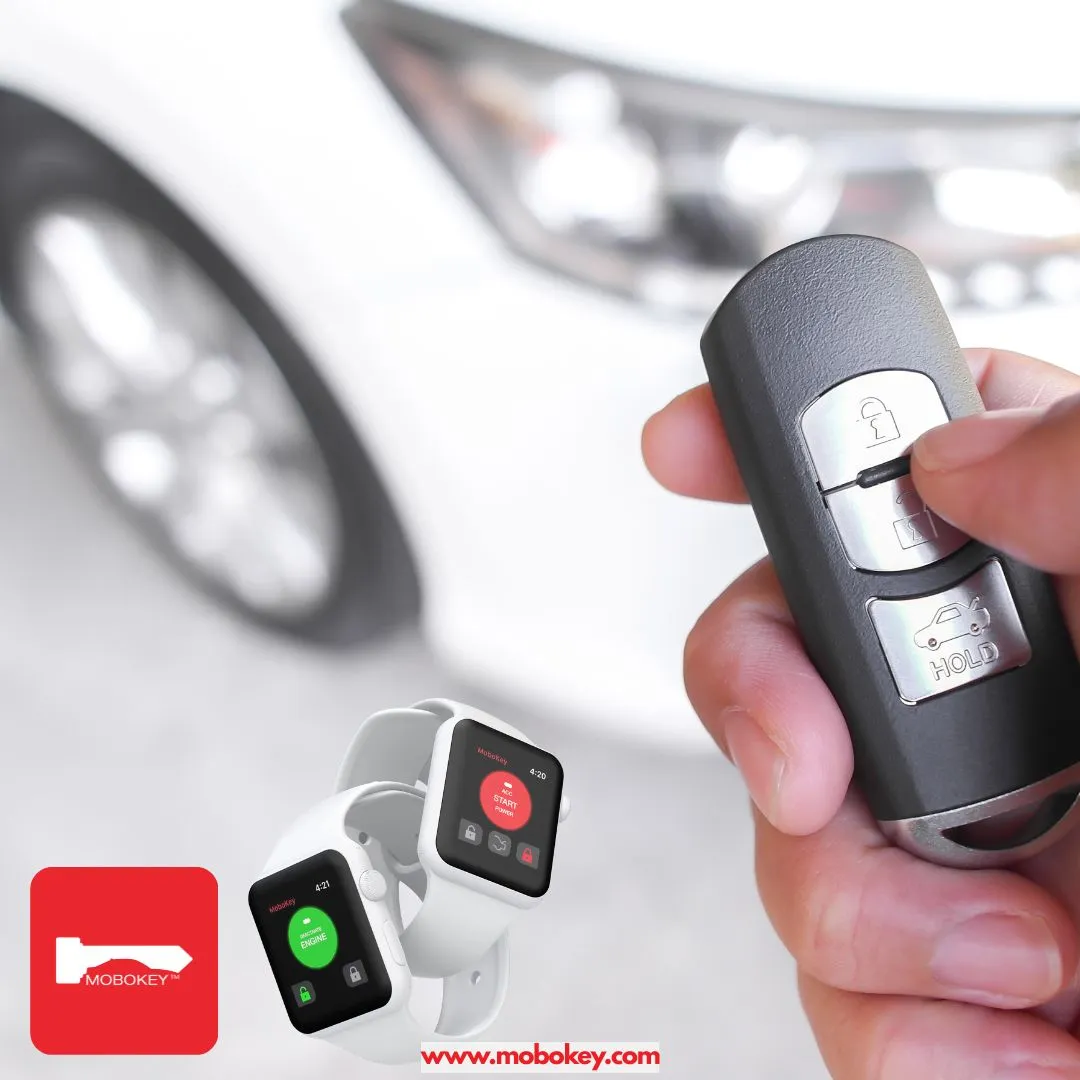
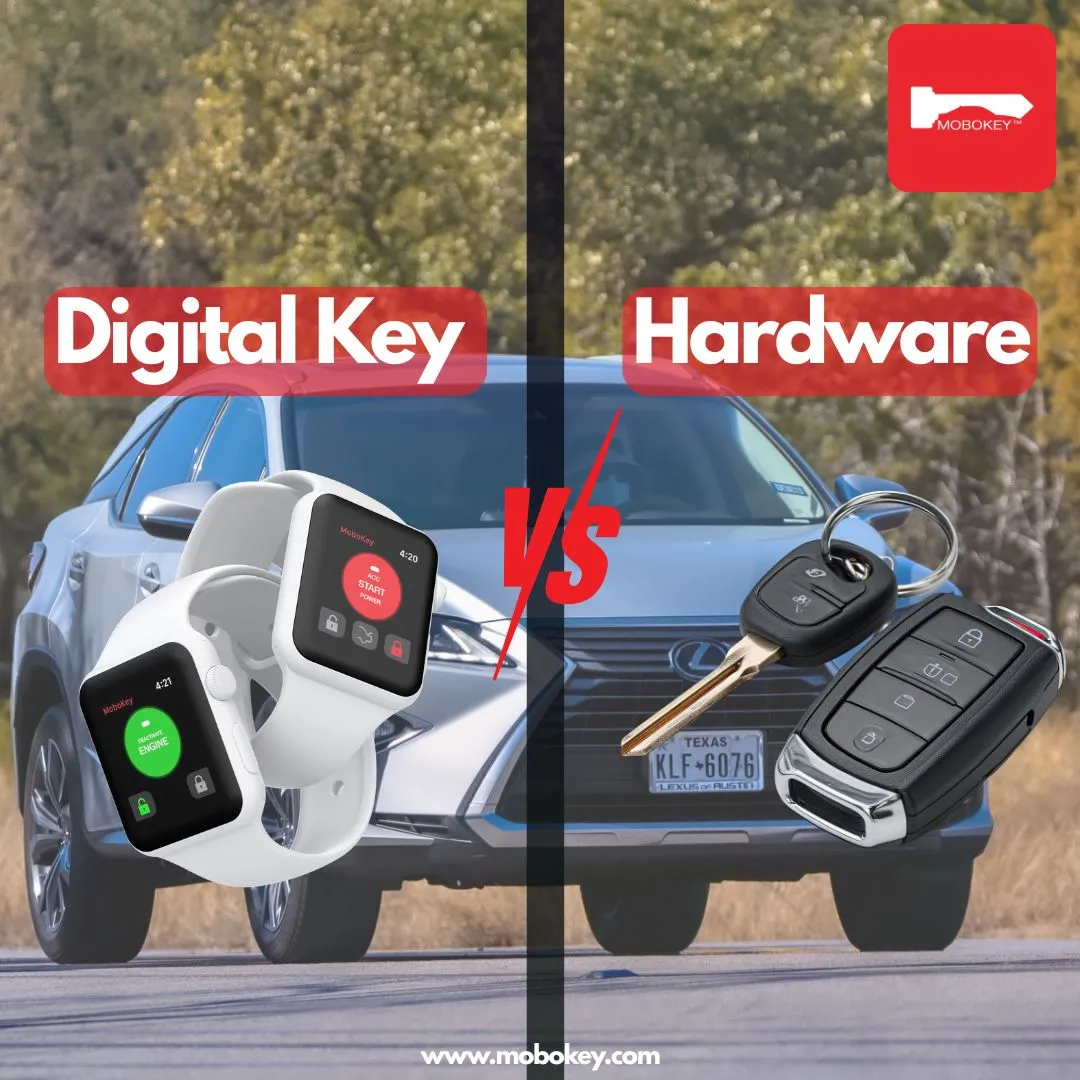
The mobility industry in 2026 has officially moved past the “brass and fob” era. For fleet managers and car-sharing entrepreneurs, the question is no longer whether to go digital, but which technical architecture to trust. When evaluating digital key software vs. hardware-based access systems, you are essentially choosing between two philosophies: Software-Defined Access (OEM-built or cloud-synced passkeys) and Hardware-Integrated Access (aftermarket modules like MoboKey). Each has a profound impact on your fleet’s security posture, and operational uptime.
The Problem: The High Cost of “Partial” Digitalization
Many fleet operators start with software-only solutions (OEM apps) but quickly hit a wall.
-
Connectivity Dead Zones: Software-only systems often rely 100% on cellular networks (GSM). If a car is in an underground garage or a rural dead zone, the “software key” fails to authenticate, leaving the user stranded.
-
The Subscription Strain: OEM-built software often carries hidden recurring fees, sometimes exceeding $150/year per vehicle just to maintain app-based access.
-
Brand Lockdown: Software-based keys are typically brand-specific. If your fleet has a mix of Ford, Toyota, and Tesla vehicles, your team must juggle three different software ecosystems.
The Solution: The Hybrid Hardware-Software Ecosystem
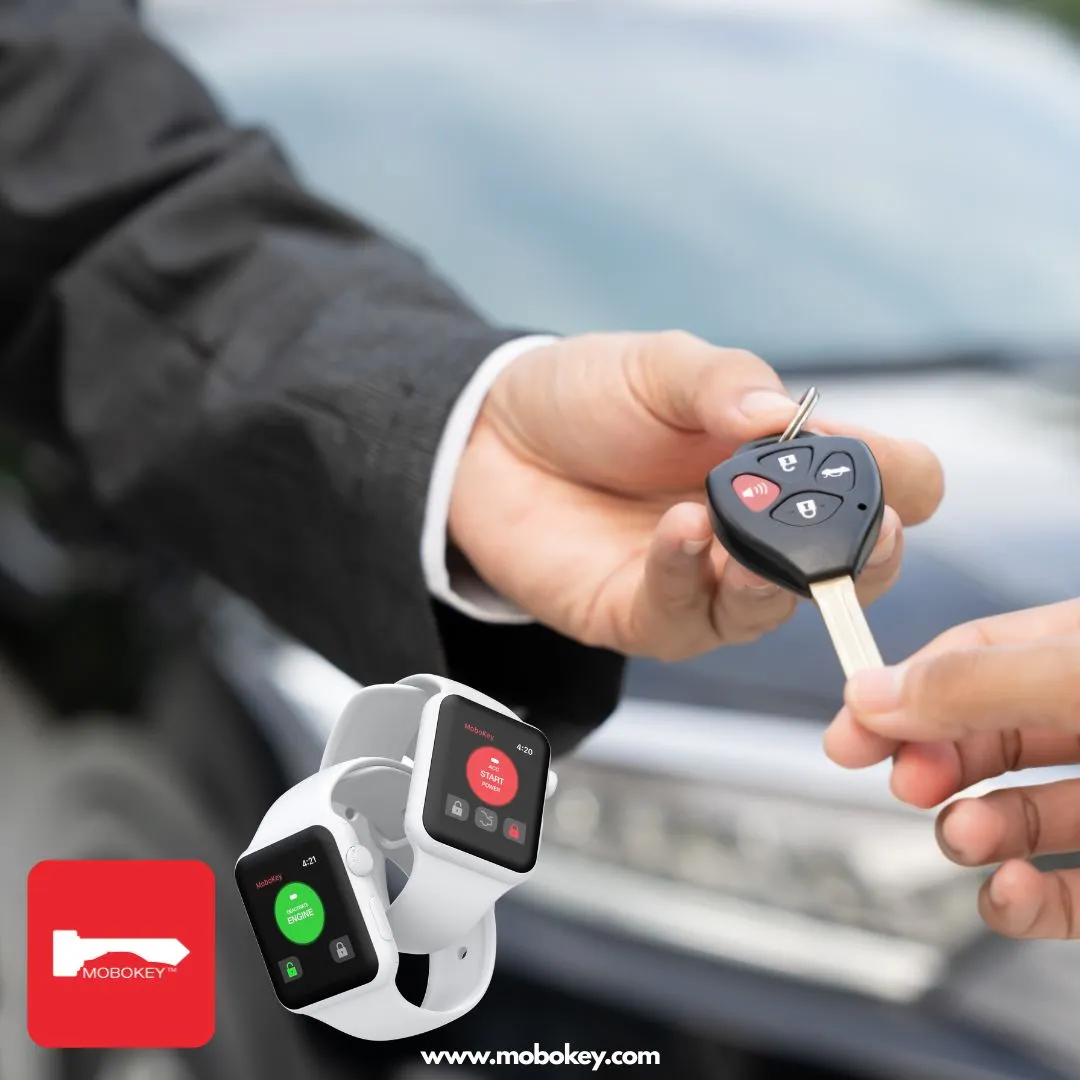
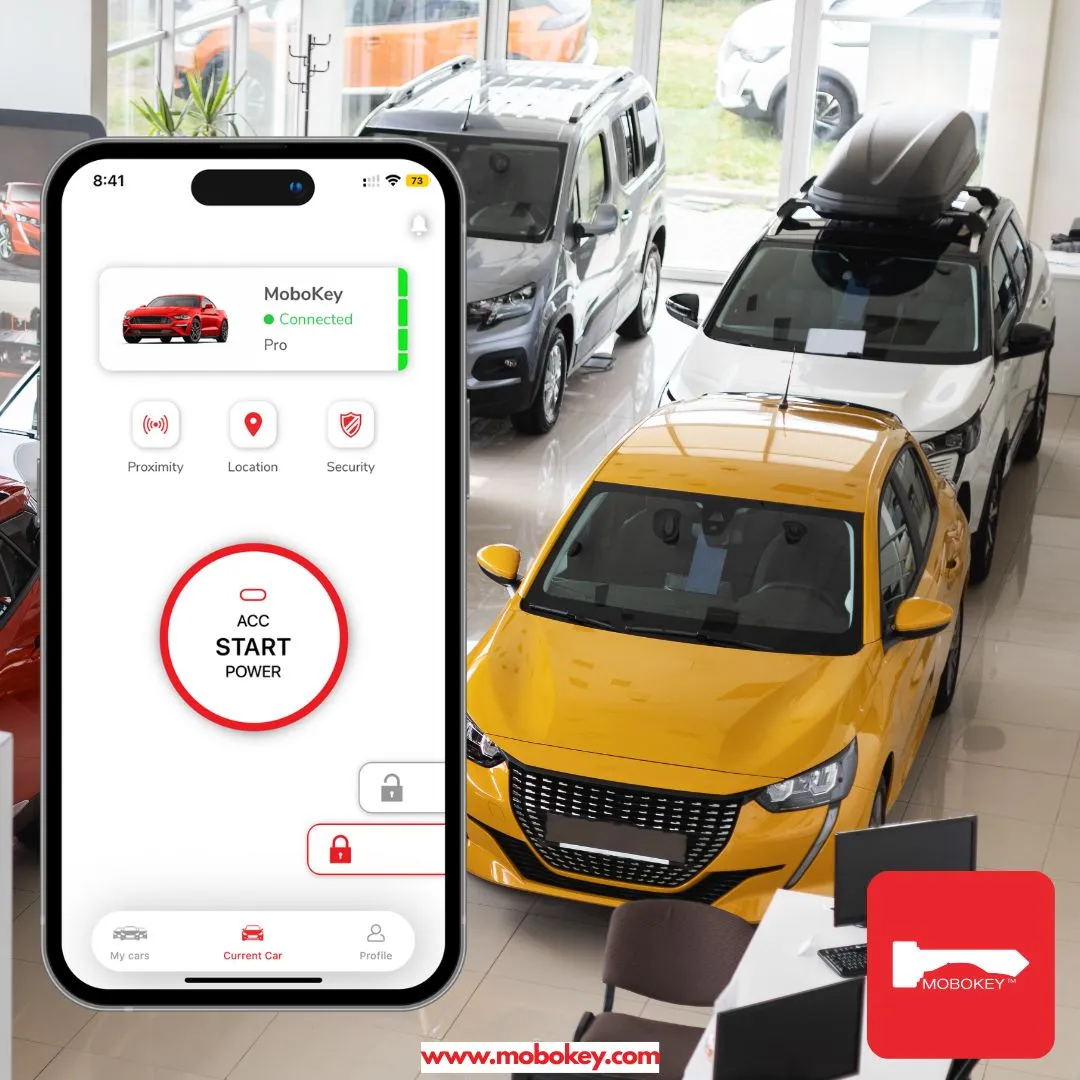
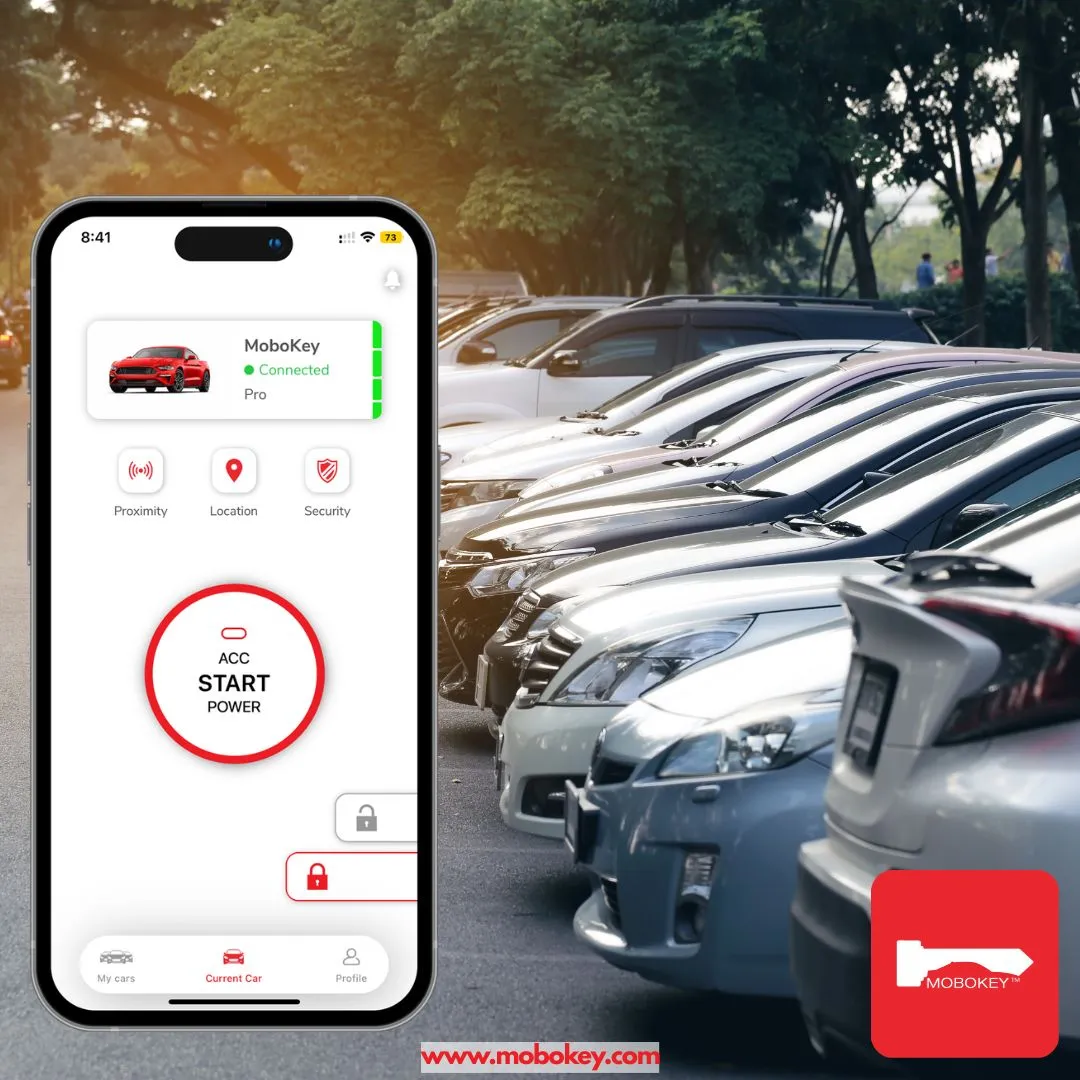
A hardware-integrated system, such as MoboKey, provides a “physical brain” for the car that bridges the gap between the vehicle’s electrical system and the user’s smartphone. This creates a dedicated local connection that doesn’t rely on the cloud for every single unlock command.
Key Features: Software vs. Hardware Comparison
1. Connectivity and Reliability
-
Software Systems (OEM): Mostly dependent on the car’s built-in 4G/5G connection. If you are away from the telecom services, the key is inactive.
-
Hardware Systems (MoboKey): Utilizes Bluetooth Low Energy (BLE) to create a direct handshake between the phone and the car. This ensures the key works 100% of the time, even in 10-story underground parking structures.
2. Security and “Remote Kill” Capabilities
-
Software-Bound Keys: Can be synced via cloud, making recovery easier but introducing vulnerabilities to remote cyberattacks.
-
Hardware-Integrated Systems: Offer an Active Engine Kill Switch. Because the hardware is physically tied to the ignition circuit, a manager can remotely immobilize the vehicle, turning it into an immovable “2-ton paperweight” if theft is detected.
3. Cross-Platform Flexibility
-
Software Systems: Often restricted by the vehicle manufacturer’s proprietary app and user limits.
-
Hardware Systems: Are vehicle-agnostic. You can install the same hardware on 90% of car models, giving you a unified dashboard for a diverse fleet of ICE, hybrid, and electric vehicles.
Comparison: At-a-Glance
| Feature | Software-Bound (OEM) | Hardware-Integrated (MoboKey) |
| Initial Cost | Built into vehicle price | One-time device purchase |
| Monthly Fees | $10 – $25 per vehicle | Zero for core features |
| Offline Performance | Poor (Cellular dependent) | Excellent (Bluetooth BLE) |
| Anti-Theft | Passive tracking | Engine Immobilization |
| Sharing | Limited/Restricted | Unlimited & Free |
ROI: The Long-Term Commercial Value
For a fleet of 20 vehicles over 5 years:
-
Software-Only Model: High annual subscriptions can add up to $15,000+ in recurring software “taxes”.
-
Hardware-Integrated Model: A one-time investment (approx. $159 per car for MoboKey Pro) means your software costs are capped at the initial purchase.
By eliminating the $600 lost-key replacement fee and the $150/year subscription fee, hardware-based systems typically reach full payback in less than 12 months.
Learn how to launch your own car-sharing business or explore our Fleet Access Control solutions.
Conclusion: Reliability is the Ultimate ROI
In the battle of digital key software vs. hardware-based access systems, software offers ease of setup, but hardware offers operational resilience. For a business that cannot afford for a customer to be locked out in a parking garage or for a vehicle to be untraceable, a hardware-integrated system like MoboKey provides the robust, encrypted, and subscription-free foundation required for 2026 mobility.
Ready to build a reliable fleet? Talk to our Experts.