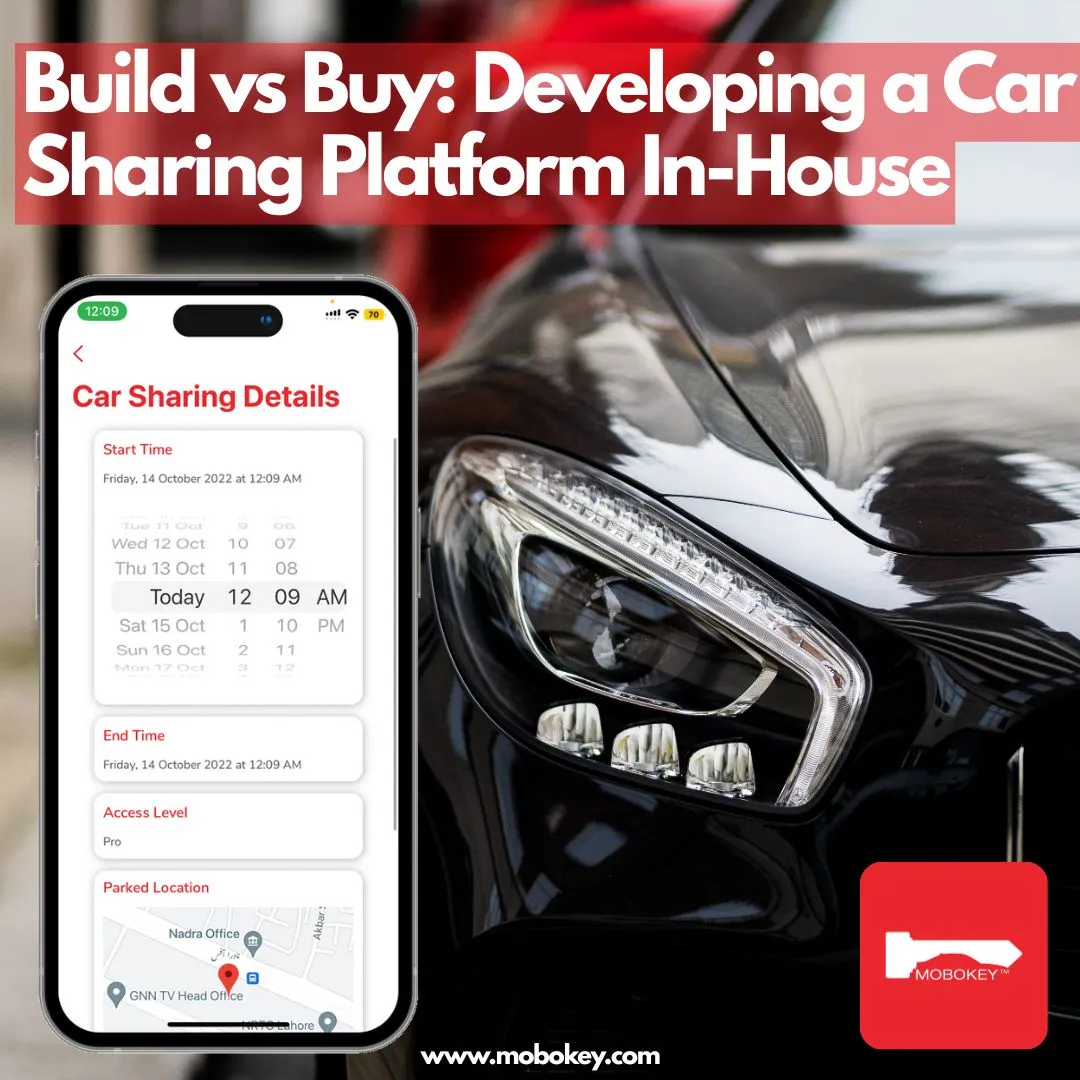
Every ambitious fleet owner eventually hits the same crossroads: “Should we build our own custom car-sharing app, or buy a white-label solution?”. At first glance, building in-house feels like the ultimate power move. You own the code, you control every pixel, and you never have to pay a licensing fee. But as the 2026 mobility market matures, many operators are finding that the “Build” path is paved with hidden costs, multi-year delays, and technical debt.
Here is a cold, hard look at the “Build vs. Buy” dilemma for modern car-sharing operators.
The Allure of Building In-House
The primary argument for building from scratch is ownership and exclusivity. When you build in-house, you are creating an Intellectual Property (IP) asset.
-
Total Customization:
Your workflows can be exactly as you imagined them, without the constraints of a third-party template. -
Long-Term Control:
You aren’t tied to a vendor’s roadmap. If you want to integrate a niche AI-driven insurance module on a Tuesday, your developers can start on it on Wednesday. -
Competitive Edge:
For massive enterprises like Uber or Turo, proprietary tech is their “moat”.
The Reality: Development Costs and Time-to-Market
For most small-to-medium operators, the “Build” dream quickly meets the “Budget” reality.
-
The Price Tag:
Developing a stable, secure, and production-ready car-sharing app in 2026. It typically starts at $80,000 to $150,000 for a basic version. A fully-featured platform competing with modern standards can easily exceed $300,000+. -
The Talent War:
You aren’t just paying for the app; you are paying for a team. You need iOS and Android developers, a backend engineer, a UI/UX designer, and a QA tester. -
The Waiting Game:
Custom development is a marathon. Expect 6 to 12 months (or more) before your first customer can even unlock a door. In a market moving this fast, a one-year delay can mean your competitors have already captured the local market.
Maintenance: The Hidden Resource Drain
The biggest mistake operators make is thinking the costs stop at the “Launch” button.
-
The 20% Rule:
Industry standards suggest that annual maintenance for custom software costs roughly 15% to 20% of the initial build price. If you spent $100k to build it, expect to pay $20k every year just to keep the lights on. -
OS Updates:
Every time Apple or Google updates their OS, your app might break. You are now in a perpetual cycle of patching and updating. -
Security & Compliance:
Managing PCI-DSS for payments and GDPR for data privacy isn’t a one-time setup; it’s a full-time job.
The Benefits of White-Label Solutions
A white-label car-sharing platform allows you to skip the “R&D” phase and go straight to the “Profit” phase.
-
Launch in Weeks, Not Years:
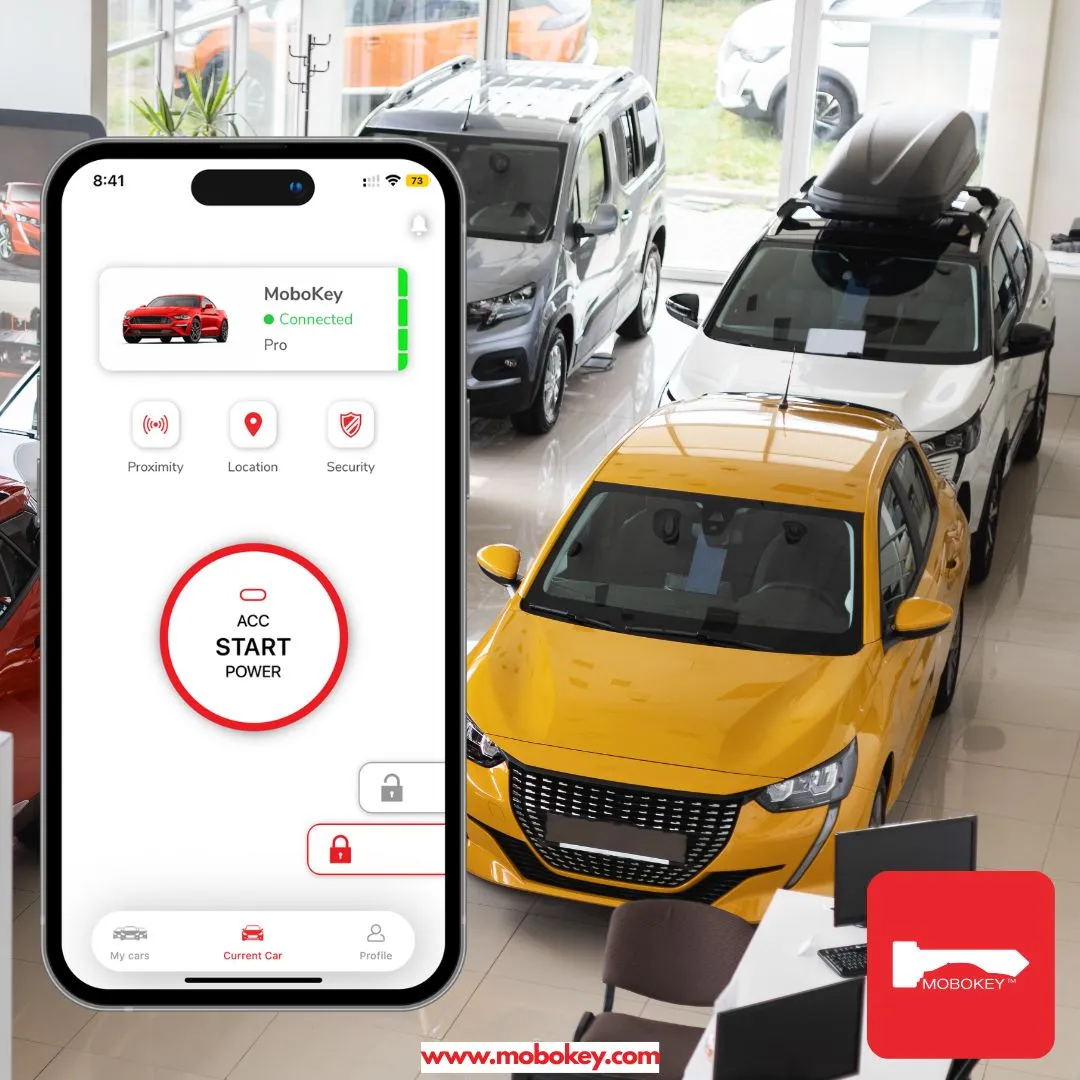
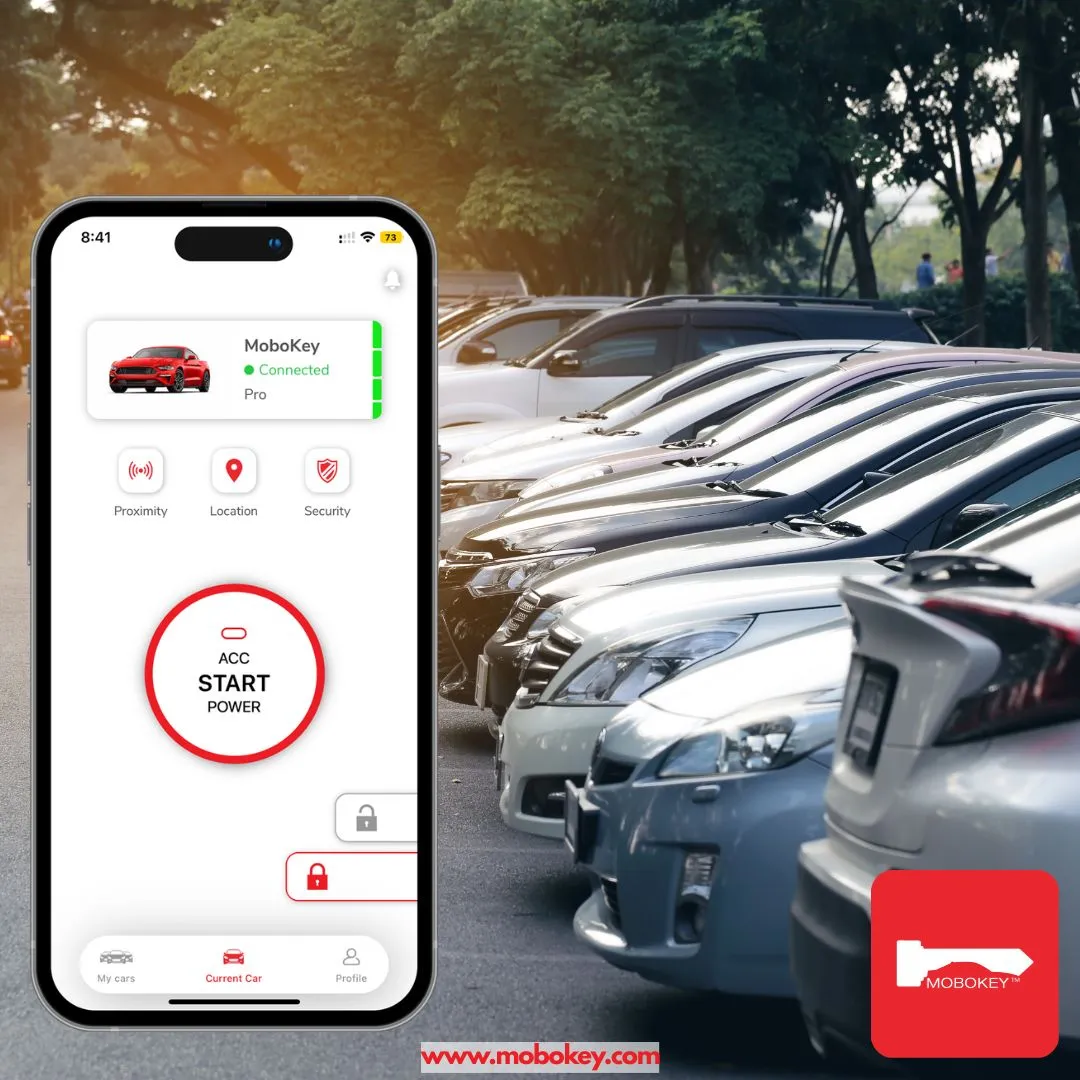
White-label platforms like MoboKey can be branded with your logo and colors and deployed in as little as 7 to 21 days. -
Proven Stability:
You aren’t the “guinea pig.” The software has already been tested across thousands of users and vehicles. Meaning the major bugs have already been squashed. -
Predictable SaaS Pricing:
Instead of a $100k upfront gamble, you pay a manageable monthly or yearly fee, making your cash flow predictable and your ROI easier to calculate. -
Included R&D:
When the vendor adds a new feature like biometric unlock or advanced telematics. You get it automatically as part of your subscription.
Case Study: Why ‘Buying’ Accelerates Growth
Consider a mid-sized operator in a growing city.
-
Operator A (Build):
Spends 9 months and $120k on a custom app. By the time they launch, they are out of capital for marketing and vehicle acquisition. -
Operator B (Buy):
Spends a $1,000 on a white-label setup. They launch in 3 weeks and spend the remaining $119k on a larger fleet and a massive local advertising blitz.
Operator B usually wins. They gain the market share while Operator A is still arguing with developers over a “bug” in the booking calendar.
Conclusion: Focus on the Business, Not the Code
Unless you are a venture-backed tech giant with a 50-person engineering team, building a car-sharing platform in-house is often a distraction from your true goal: moving people and making money. By choosing a white-label solution, you get enterprise-grade tech at a fraction of the cost. Allowing you to focus your energy where it matters, on your customers and your fleet.
Launch in weeks, not years. Explore MoboKey’s White-Label Car Sharing solution and get your brand on the road today.
Download the application here: Go to Play Store or App Store!