As we move through 2026, the global mobility market has hit a turning point. For commercial fleet operators, rental agencies, and Turo hosts, the traditional “brass and fob” system has become more than a logistical bottleneck, it is a significant security liability. With the average cost of replacing a single modern smart fob now exceeding $600 and keyless “relay attacks” accounting for over 70% of vehicle thefts, the question isn’t just about convenience. Fleet managers are asking: Are digital car keys actually secure enough for high-value commercial assets? The short answer is yes. When implemented through a professional platform like MoboKey, digital keys offer a “fortress” of protection that traditional fobs simply cannot match.
1. Superior Defense Against Modern Theft
Traditional car keys and fobs are surprisingly “dumb” when it comes to active security. A stolen key grants instant, unrestricted access. Digital keys, however, introduce multiple layers of defense.
-
AES-128 Banking-Grade Encryption: MoboKey utilizes high-level AES-encrypted Bluetooth (BLE) communication. This “digital handshake” makes it virtually immune to signal cloning and the hacking methods used in modern relay attacks.
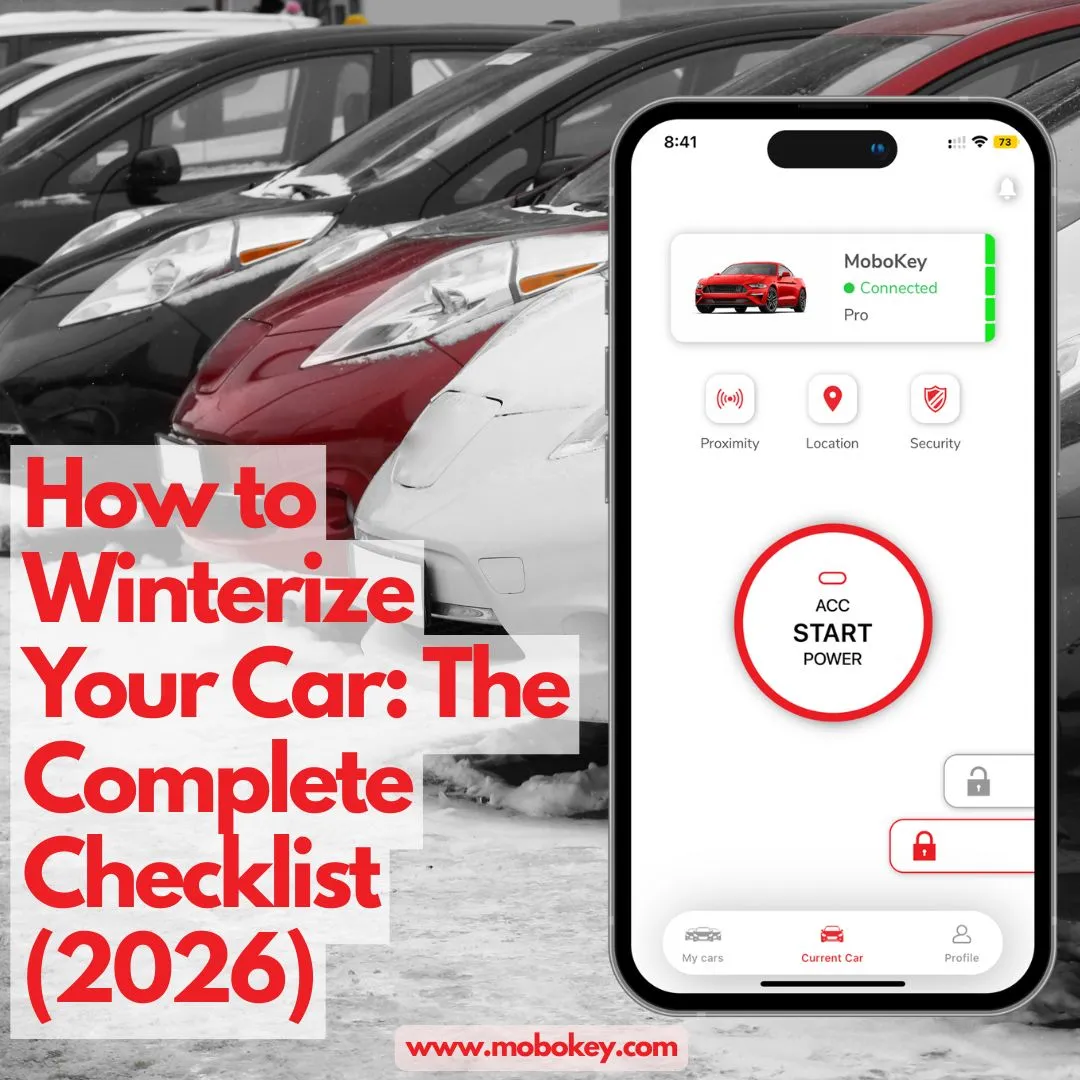
- Anti-Snatch Proximity Protection: Specifically designed for delivery and logistics fleets, MoboKey’s Anti-Snatch Mode monitors the driver’s proximity. If a thief hops into an idling car while the driver is away, the engine automatically shuts down as soon as the vehicle moves out of the smartphone’s Bluetooth range.
2. Proactive Response: The Remote Kill Switch
The most significant security advantage for B2B operators is the shift from passive tracking to active prevention.
-
Remote Immobilization: While a standard GPS tracker only tells you where your stolen car is, MoboKey gives you the power to stop it. Managers can trigger a Remote Engine Kill Switch directly from their dashboard.
-
Safety Protocols: The system is designed with safety in mind; the immobilization typically only activates once the vehicle is safely parked and the ignition is turned off, preventing the engine from cutting out mid-drive.
Comparison: Physical Fobs vs. MoboKey Security
| Security Feature | Traditional Physical Fob | MoboKey Digital Key (2026) |
| Relay Attack Defense | Vulnerable | Immune (Encrypted BLE) |
| Authentication | None (Possession only) | Biometric (FaceID/Fingerprint) |
| Theft Response | Passive (Call Police) | Active (Remote Kill Switch) |
| Audit Trail | None | Real-Time Access Logs |
| Key Sharing | Insecure (Lockboxes/Manual) | Secure (Encrypted Digital Share) |
3. Accountability Through Data
In the commercial sector, security is also about accountability. Physical keys leave no digital footprint, leading to unauthorized use and a lack of driver responsibility.
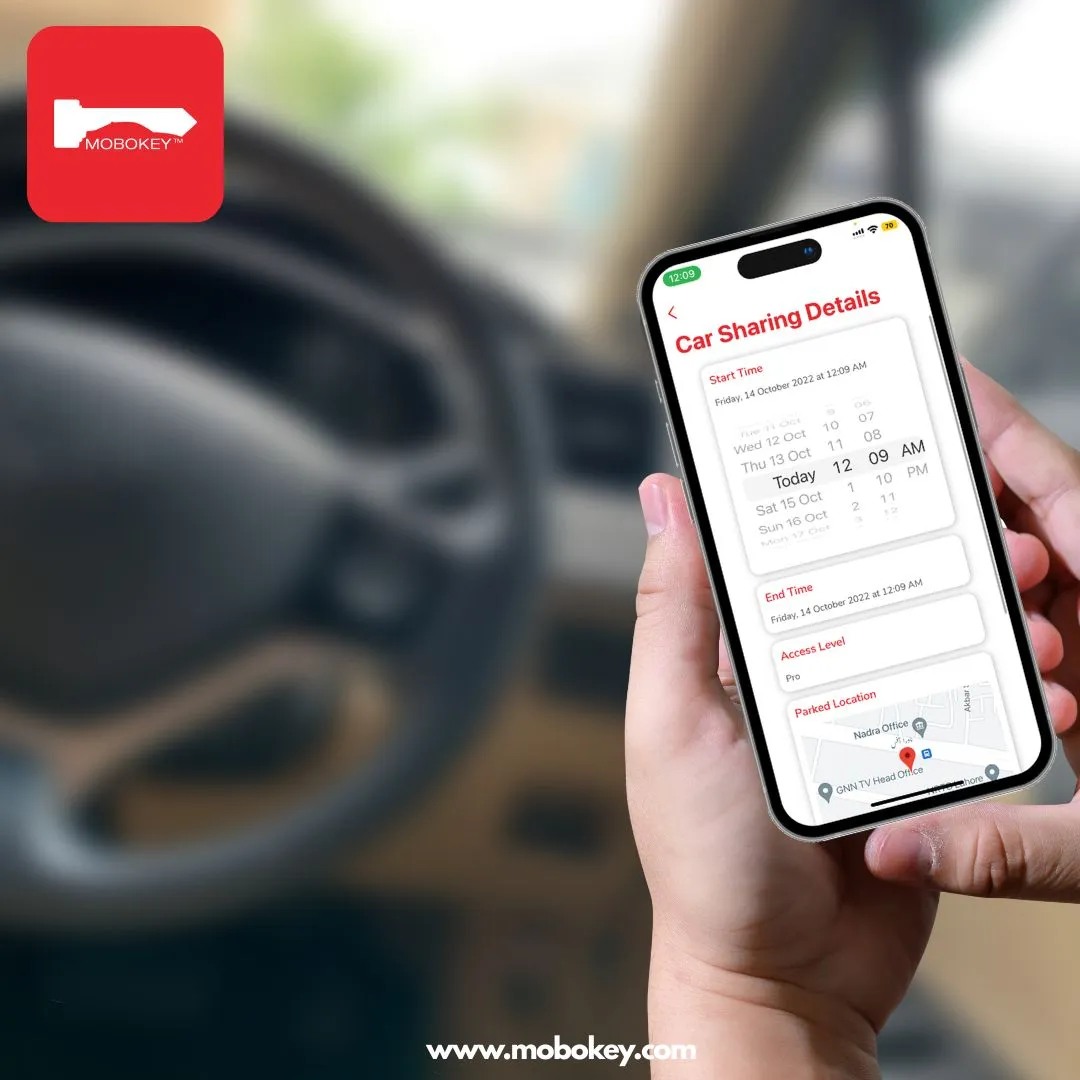
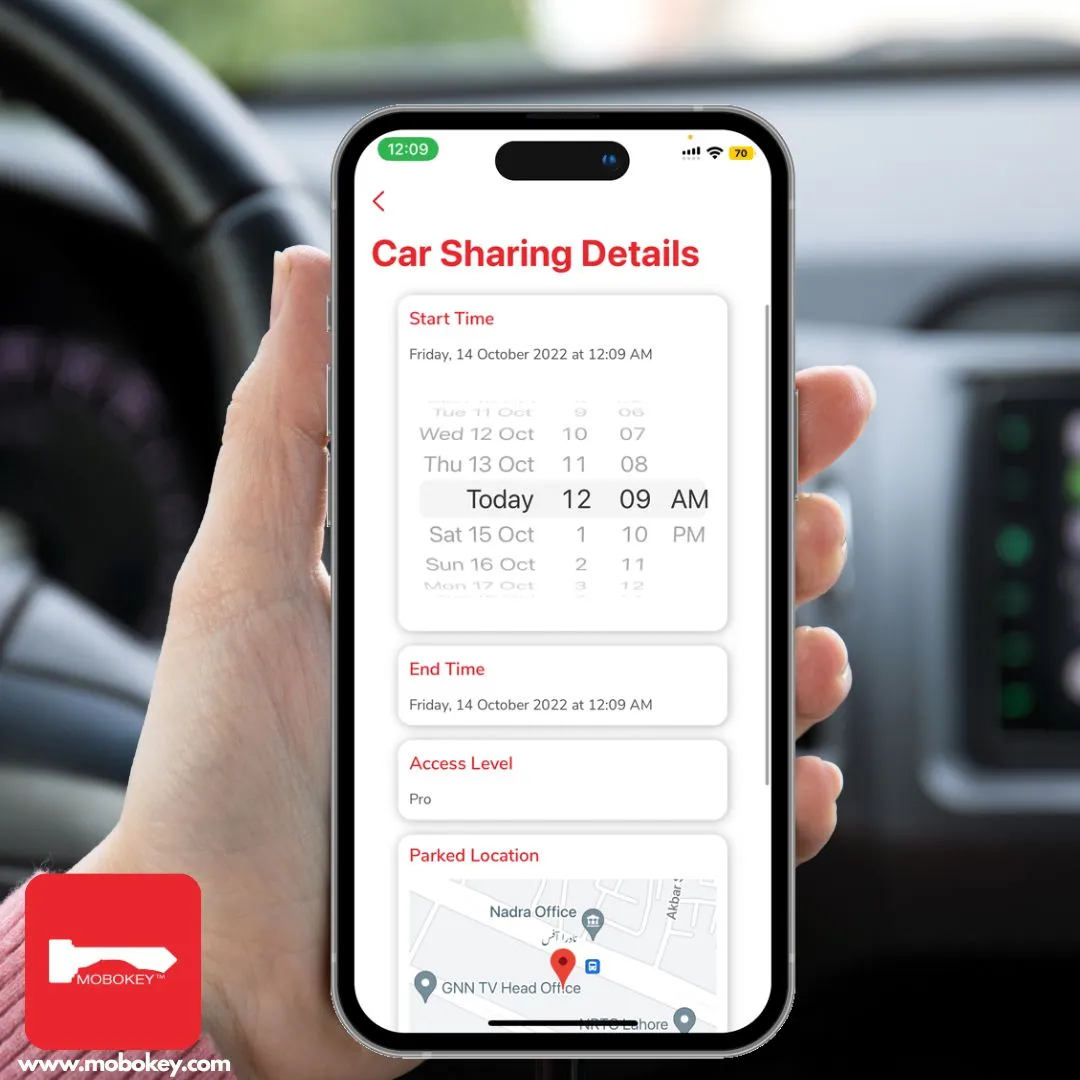
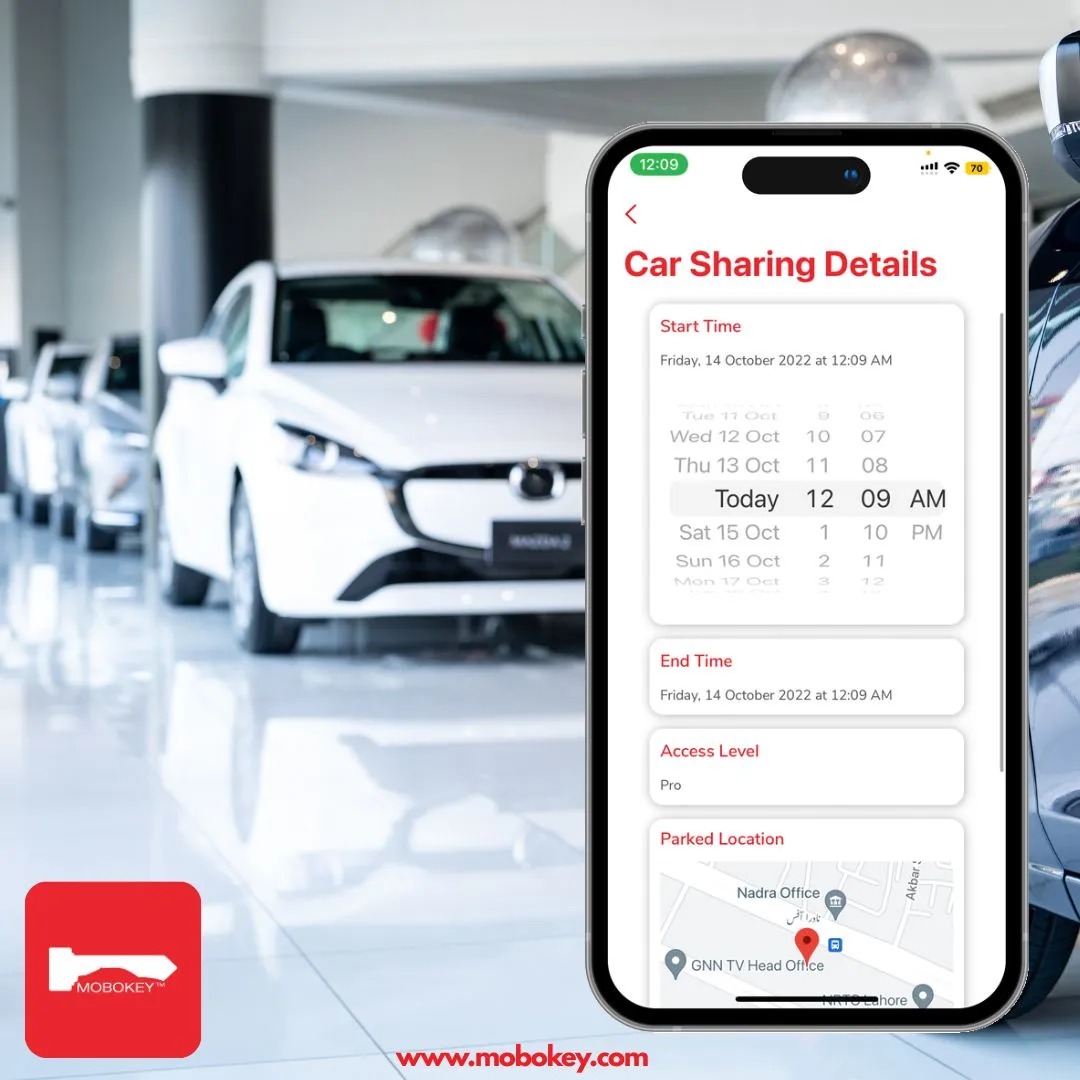
- Time-Bound Digital Keys: For car-sharing or rental businesses, keys can be set to automatically expire at a specific time (e.g., Friday at 5:00 PM). Once the rental window closes, the key vanishes from the user’s phone, and the engine cannot be restarted.
Conclusion: The New Security Standard
For commercial fleets in 2026, the transition to MoboKey digital car keys is a move toward a more profitable and secure future. By replacing the “brass and fob” with software-defined access, you eliminate the risk of lost keys, prevent modern theft techniques, and maintain absolute control over your most valuable assets.
Ready to secure your fleet? Schedule a Live Demo today.
Download the application here: Go to Play Store or App Store!