
Costs are one piece — the complete kill switch for a car guide covers types, legality, and installation too. In 2026, as vehicle theft methods like “signal boosting” and “CAN bus hacking” have become mainstream, the simple car kill switch has seen a massive resurgence. Whether you are looking for a basic battery disconnect or a smartphone-controlled engine immobilizer, the cost varies significantly based on technology and labor. Here is the comprehensive breakdown of what you can expect to pay for car protection this year.
1. The Low-End: Basic & Manual Kill Switches
Estimated Cost: $10 – $60 (Hardware Only)
These are “analog” solutions that physically interrupt the power flow. They are ideal for older vehicles or budget-conscious DIYers.
-
Battery Disconnect Switches: Simple knobs or levers installed on the battery terminal. Prices range from $10 to $25.
-
Hidden Toggle Switches: Small switches hidden under the dash that cut the fuel pump or ignition wire. Parts cost as little as $5, but specialized automotive kits are usually $20 – $40
- Remote Battery Relays: Wireless versions of the battery disconnect that come with a key fob, typically costing $25 – $60.
2. The Mid-Range: Smart & Remote Kill Switches
Estimated Cost: $60 – $200
These systems integrate with your smartphone or a specialized remote, often offering more than just a power cut.
-
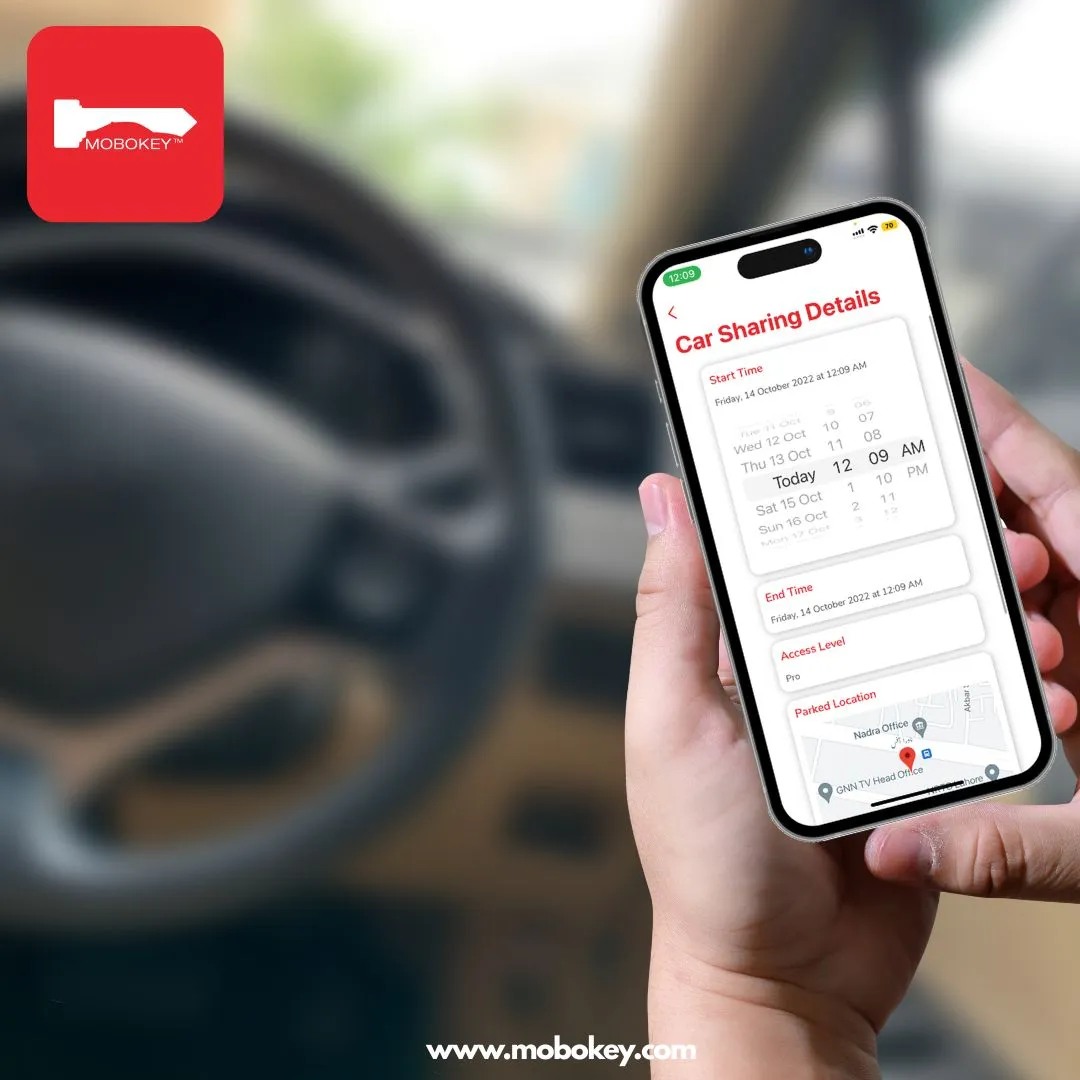
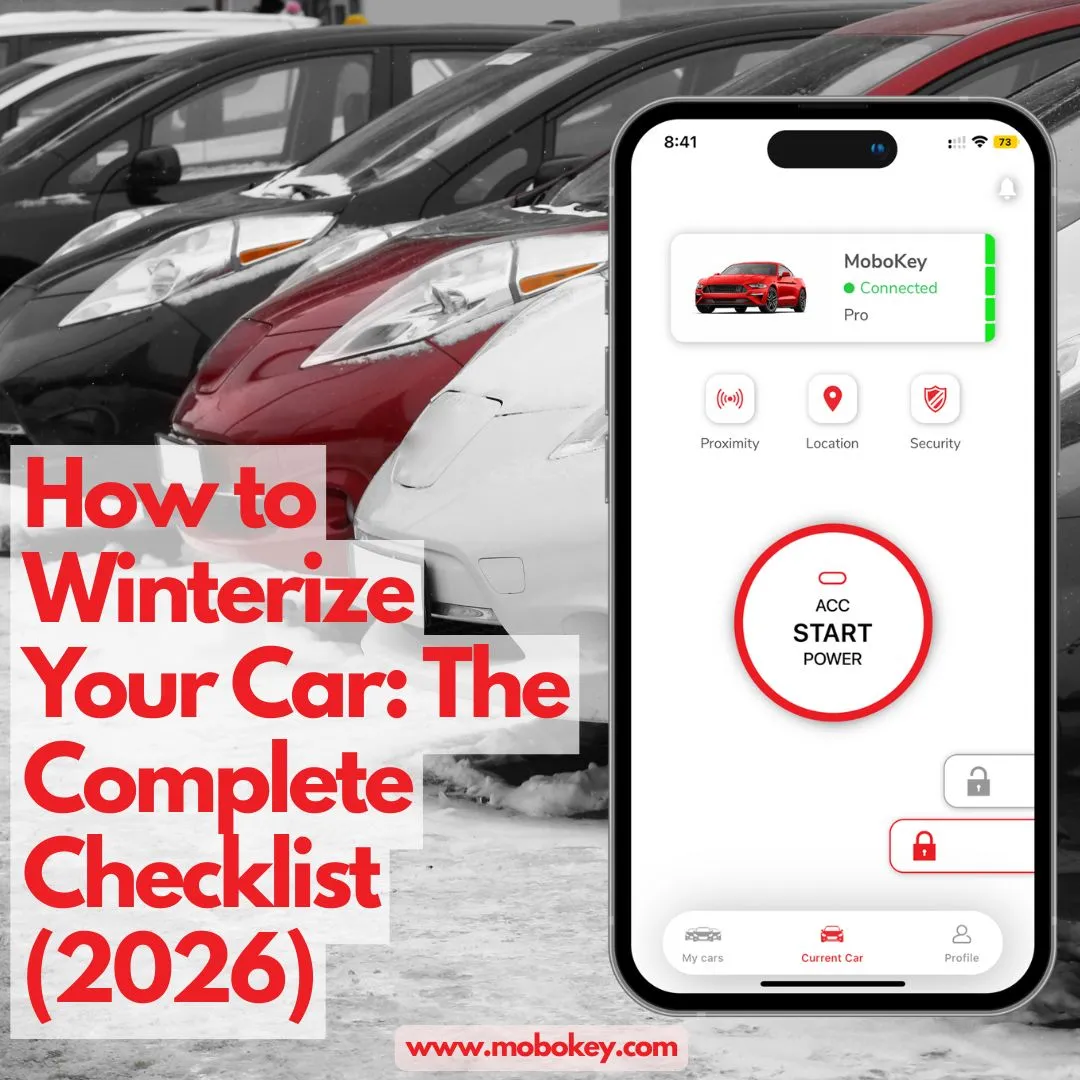
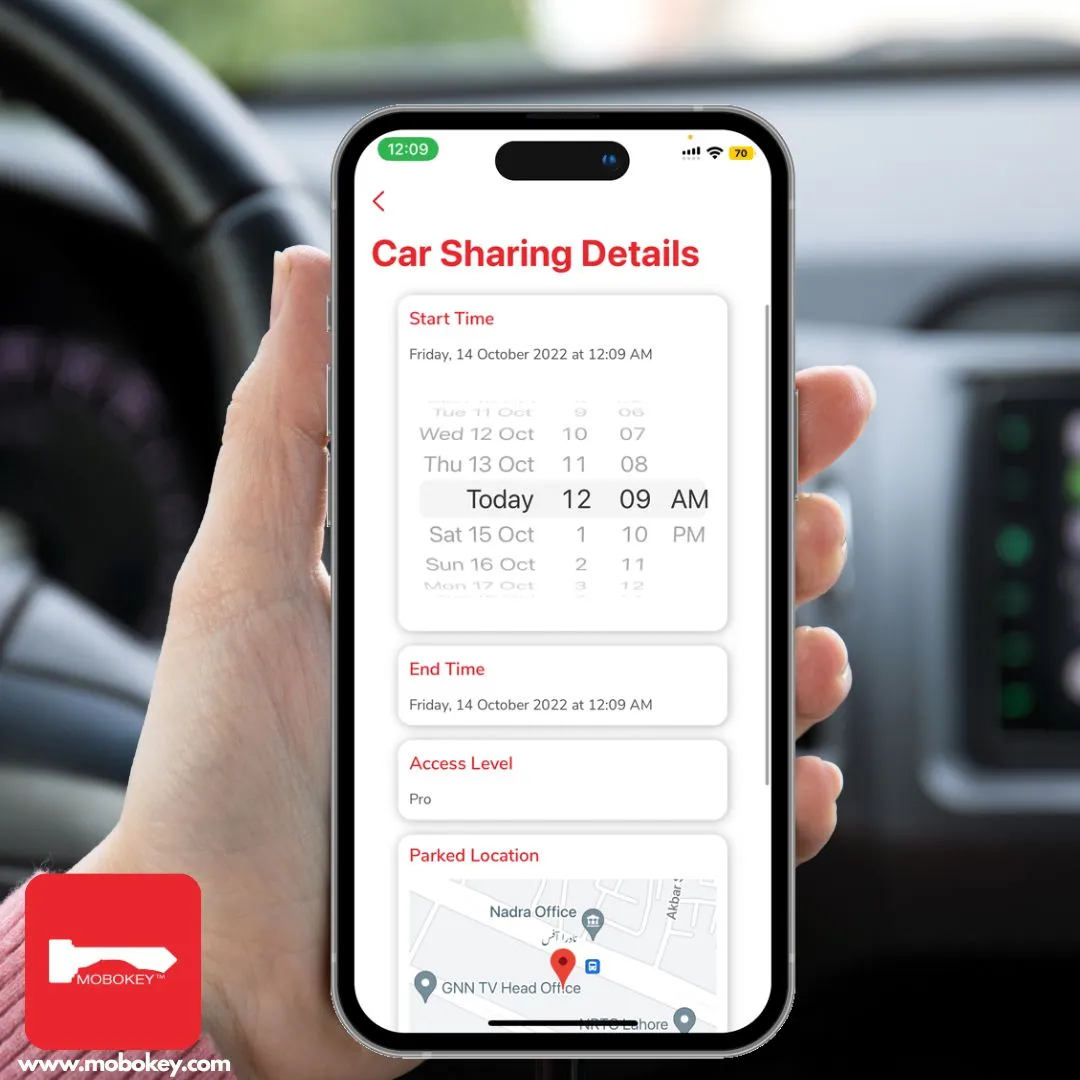
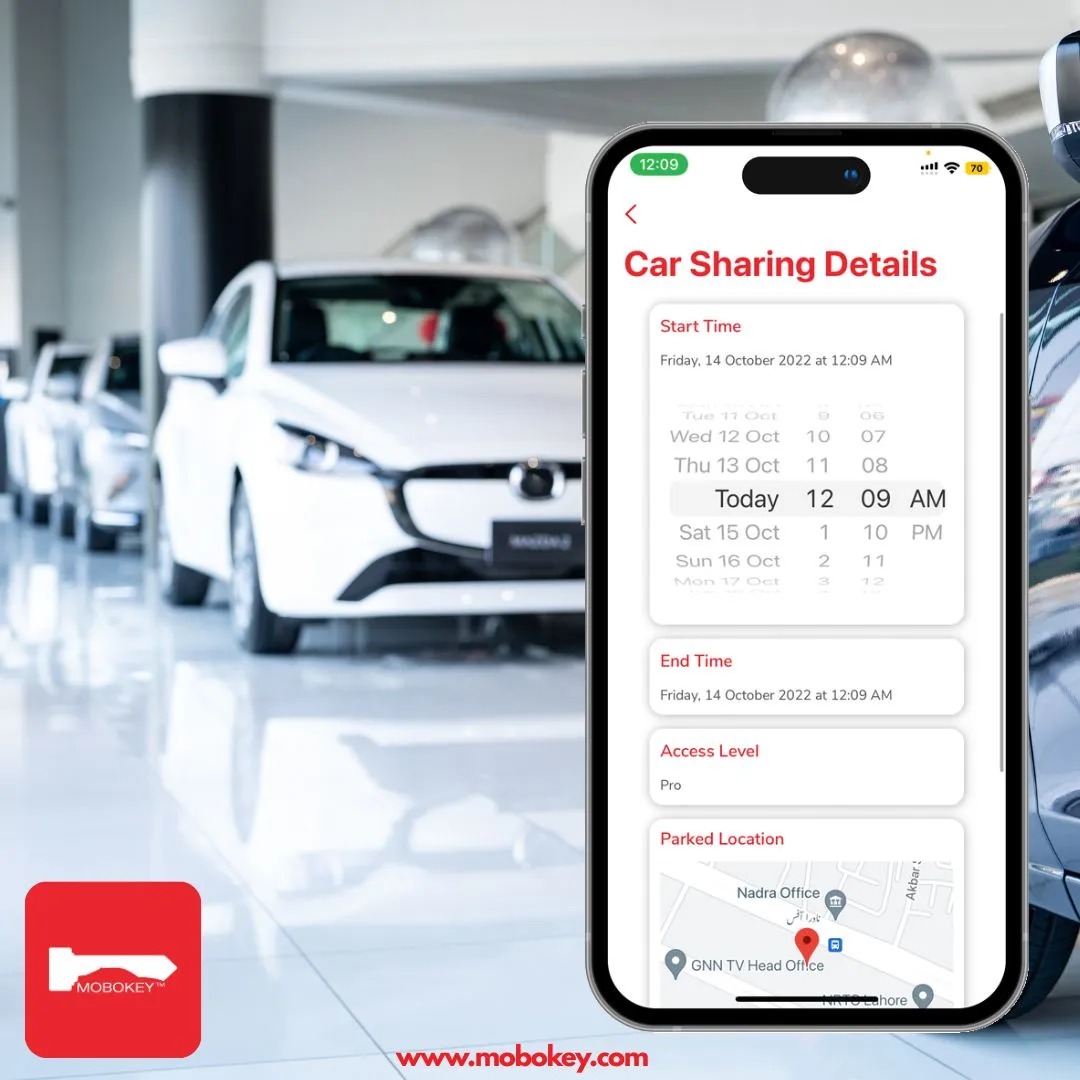
Bluetooth Immobilizers: Systems like MoboKey or EasyGuard that automatically lock/unlock the engine based on your phone’s proximity. These typically cost $80 – $160.
-
GPS Tracker Combos: Many hardwired GPS trackers now include a “Remote Ignition Disable” feature. The hardware usually costs $60 – $100, though these often require a monthly subscription of $10 – $25 for the data link.
3. The Expensive: Professional Security Systems
Estimated Cost: $250 – $600+ (Including Labor)
For luxury vehicles or fleets, a full security suite from brands like Compustar or Viper provides the highest level of protection.
-
Integrated Alarm & Kill Switch: These systems include shock sensors, sirens, and multi-point immobilization. Hardware starts at $150, but total costs with professional installation usually reach $300 – $500.
-
Advanced CAN Bus Blockers: High-end digital “ghost” immobilizers that require a specific sequence of factory button presses (e.g., volume up, then window down) to start the car. These often cost $400 – $700 fully installed.
Comparison: 2026 Pricing Summary
| Kill Switch Type | Hardware Cost | Pro Installation | Total Estimated Cost |
| Manual Toggle | $15 – $40 | $80 – $150 | $95 – $190 |
| Remote Battery Relay | $25 – $60 | $50 – $100 | $75 – $160 |
| Smart/Bluetooth Key | $80 – $160 | $100 – $200 | $180 – $360 |
| GPS Tracker + Kill | $60 – $120 | $100 – $200 | $160 – $320 (+ Sub) |
| Advanced Pro Alarm | $150 – $300 | $200 – $400 | $350 – $700 |
The “Hidden” Cost: Labor & Professional Installation
While a $20 switch is cheap, modern vehicle electronics are incredibly complex.
-
Labor Rates: Professional installers in 2026 typically charge $100 – $150 per hour.
-
Installation Time: A basic kill switch takes 1–2 hours, while a complex smart system with GPS and remote start integration can take 3–5 hours.
-
DIY Risks: Improperly tapping into a modern car’s wiring (CAN bus) can result in dashboard warning lights, battery drain, or even voiding your vehicle’s warranty.
Conclusion: Which Should You Choose?
In 2026, the Remote Smart and Car Kill Switch (approx. $250 installed) offers the best balance of price and protection for most drivers. It provides the convenience of a smartphone app while offering the “active” defense that simple GPS trackers lack.
Ready to secure your car without breaking the bank? Explore MoboKey’s Smart Car Kill Switches or Book a Demo today.
Download the application here: Go to Play Store or App Store!
Place your order on mobokey.com/shop/pro