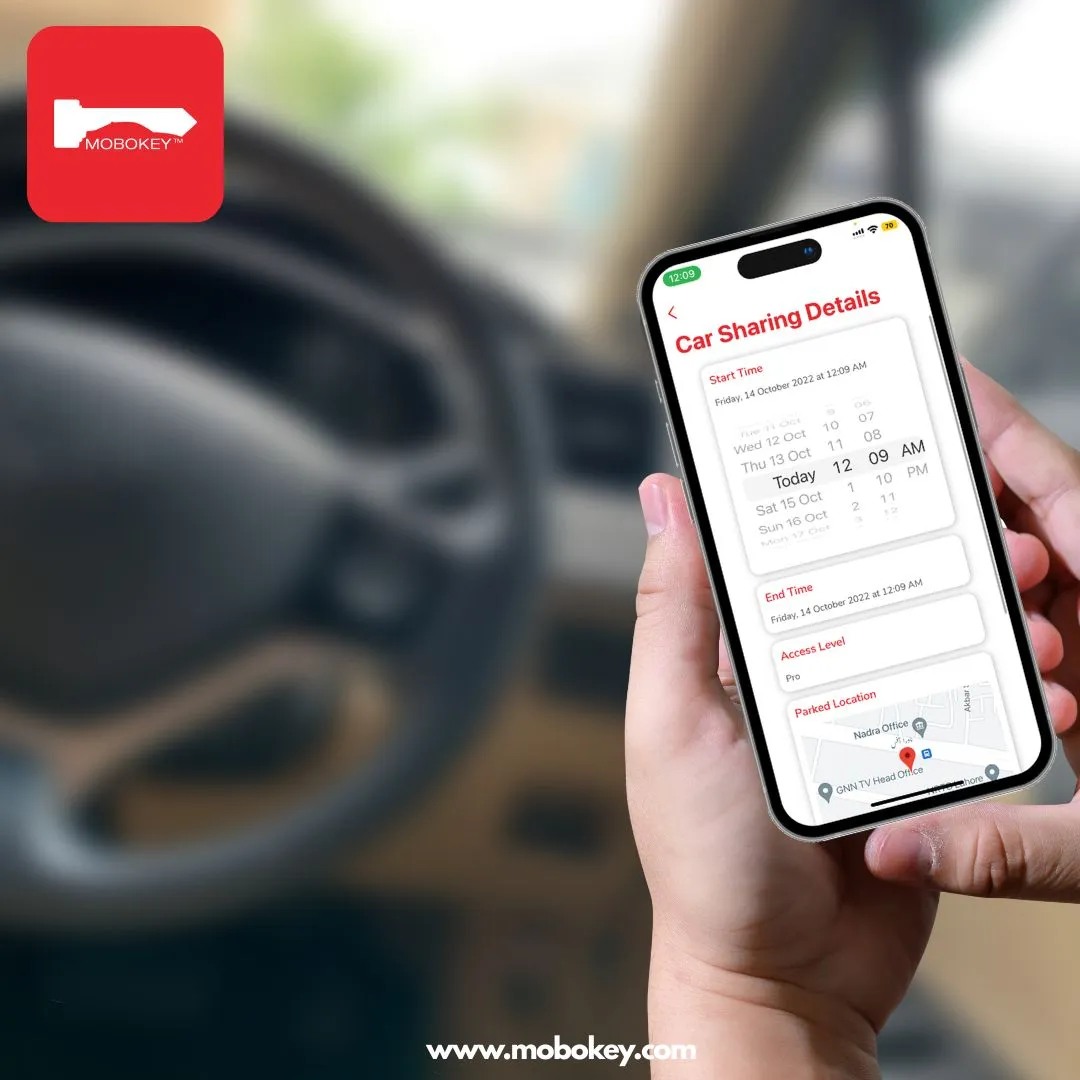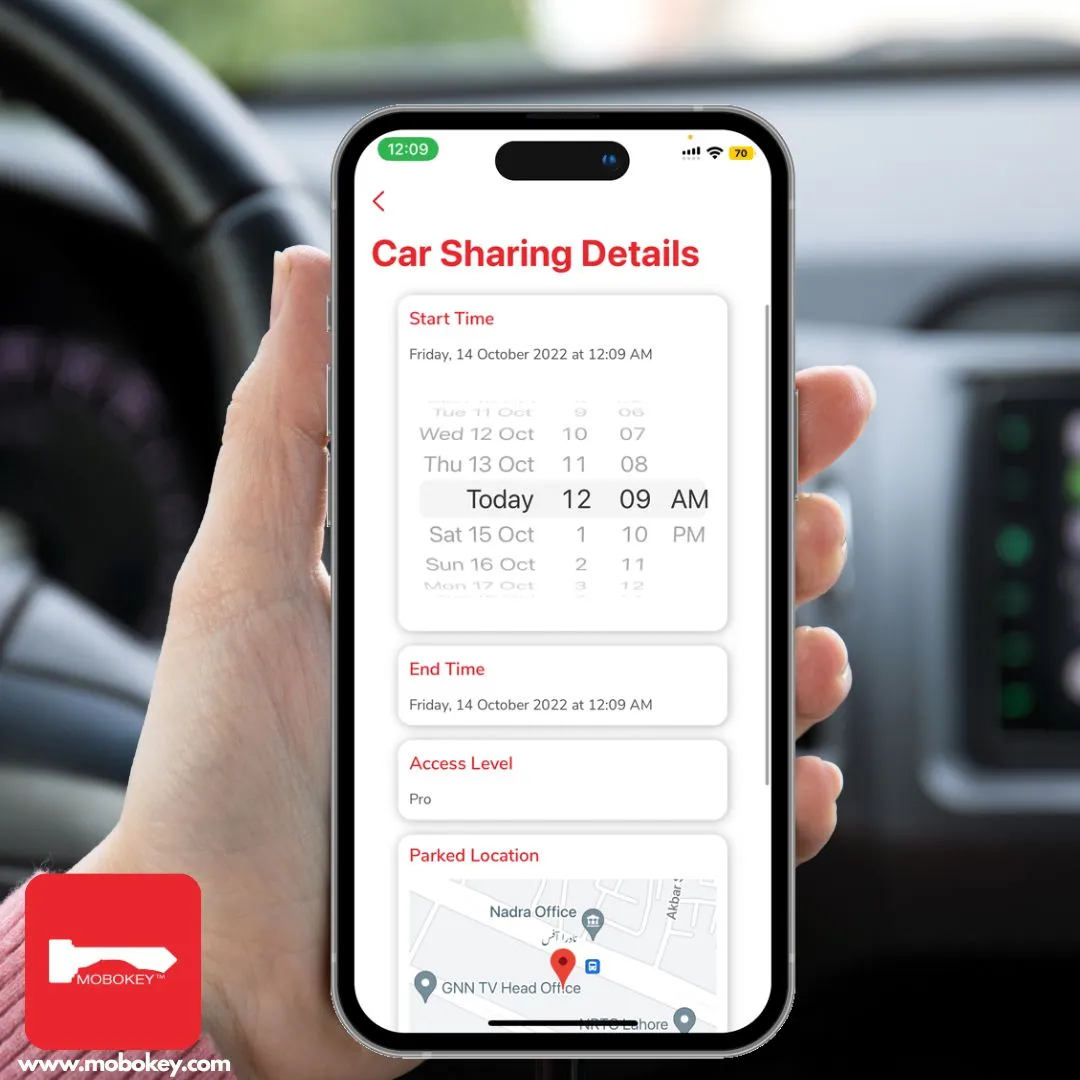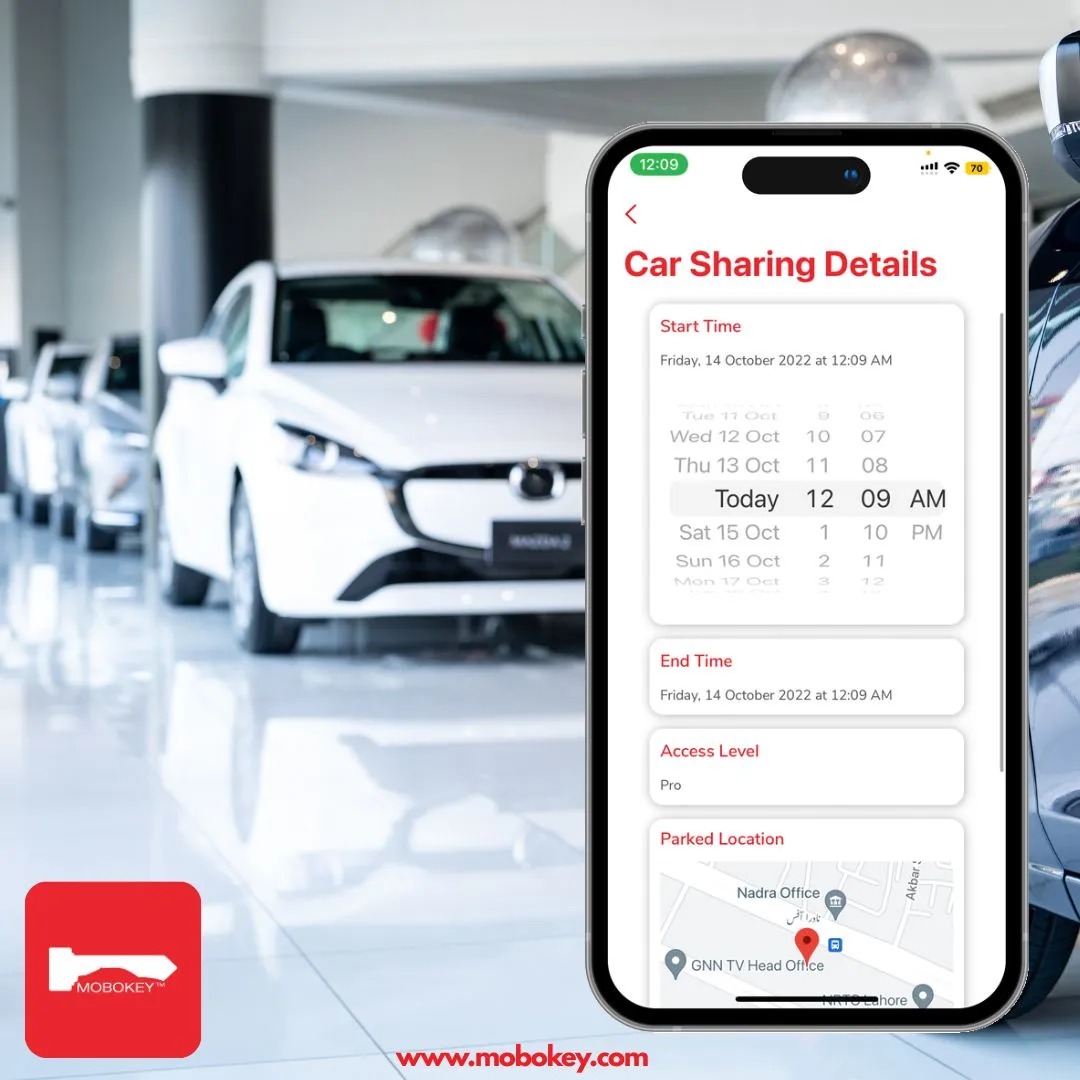
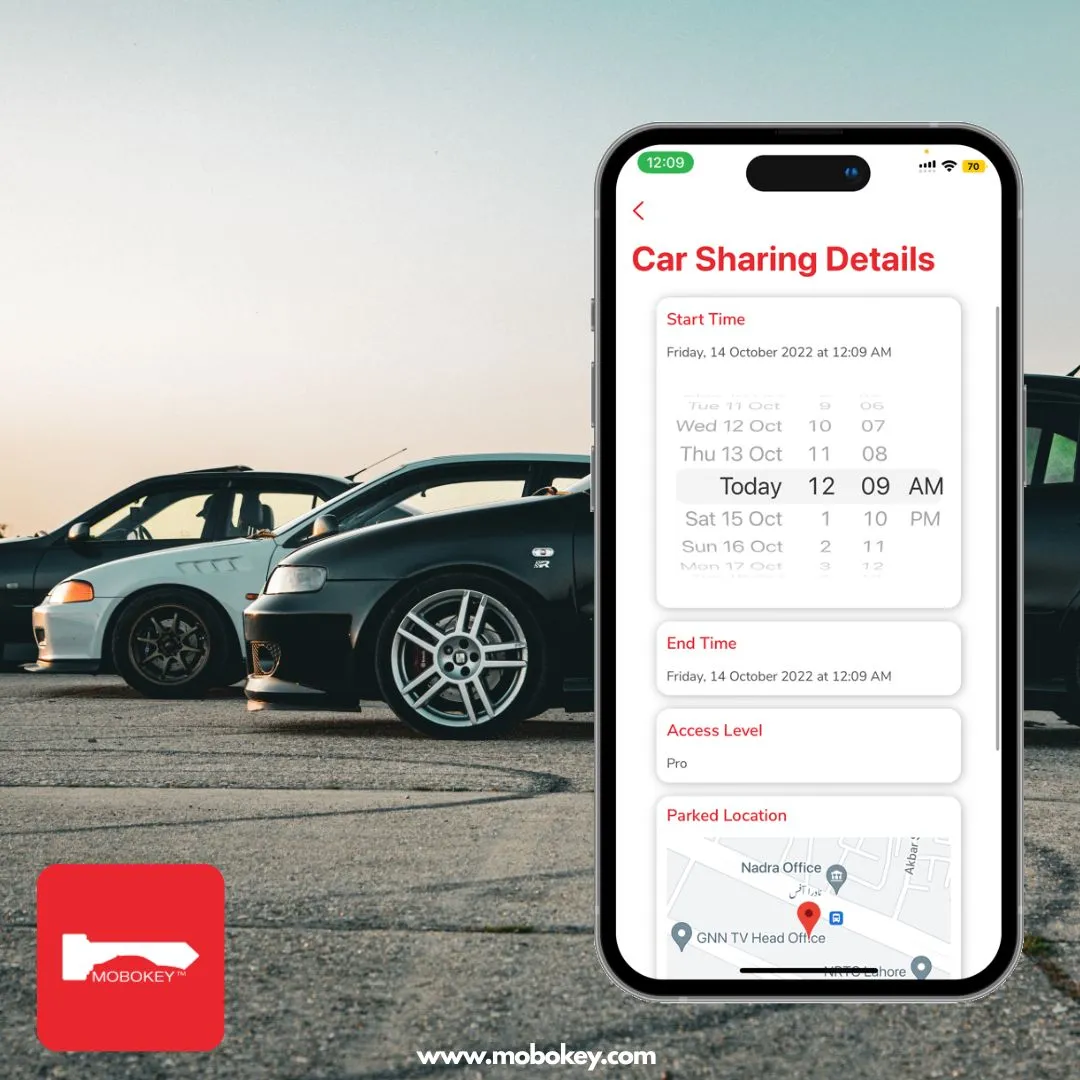
The car-sharing industry is a high-stakes arena where ambitious startups often go up against global giants and decades of consumer habits. While the potential for recurring revenue and a sustainable future is massive, the road is littered with the remains of startups that failed to navigate basic execution hurdles. If you are launching a car-sharing business in 2026, you don’t have to reinvent the wheel. You just have to avoid the potholes that swallowed those who came before you. Here are the top five mistakes car-sharing startups make and the authoritative strategies to avoid them.
Mistake 1: Underestimating Hardware Reliability
Many founders treat the vehicle’s digital key hardware as an afterthought, choosing the cheapest option or a “generic” tracker. In car sharing, hardware is your primary interface. If a user stands in the rain and the car won’t unlock because of a buggy Bluetooth connection or a dead GSM signal, you haven’t just lost a ride; you’ve lost a customer for life.
-
How to Avoid It:
Invest in a unified hardware and software ecosystem. MoboKey devices are specifically engineered for the rigors of car sharing. It offers Bluetooth connectivity that ensures a door always clicks open, even in underground garages. -
The Lesson:
A 1-star review about “app connectivity” is a death sentence for a new startup. Reliable tech is your best marketing tool.
Mistake 2: Ignoring the User Experience (UX)
A common “tech-heavy” founder mistake is building an app with 50 features before perfecting the three that matter. Search, Book, and Unlock. If your onboarding process requires a 20-page manual or the app crashes during the “Start Engine” command, your churn rate will skyrocket.
-
How to Avoid It:
Adopt a “Mobile-First” and “Instant-Access” mindset. Simplify your ID verification process and ensure the “Digital Key” is front and center. -
Pro Tip:
Use a white-label solution that has already been tested across thousands of users. This allows you to launch with a polished, bug-free experience on Day 1 rather than spending six months in “Beta Hell”.
Mistake 3: Poor Fleet Balancing and Utilization
Startups often buy a fleet based on what they like to drive, rather than what the market needs. A fleet of premium SUVs might look great, but if your urban customers only want compact cars for short grocery runs. Your utilization will be dangerously low.
-
How to Avoid It:
Master your unit economics early. Start with a diverse but lean fleet to test demand. -
SOP:
Be prepared to move your fleet to where the demand is, or use dynamic pricing to encourage rentals in those areas.
Mistake 4: Choosing the Wrong Pricing Model
Startups frequently undercharge to “gain traction”. Only to realize their margins can’t cover insurance, maintenance, and parking fees. Conversely, some overcomplicate pricing with so many tiers that customers feel “nickel-and-dimed”.
-
How to Avoid It:
Research local pain points and competitors. For most startups, a commission-based or flat-rate “per hour” model is the easiest for customers to digest. -
Sustainability Tip:
Factor in “Hidden Costs” like key replacements and towing before setting your final rates. (Note: Using digital keys effectively eliminates the “Lost Key” cost entirely!)
Mistake 5: Neglecting Marketing and Customer Trust
“If we build it, they will come” is the most dangerous lie in the startup world. Without a clear marketing strategy and a way to build trust (like transparent insurance coverage), your cars will sit idle.
-
How to Avoid It:
Invest in marketing early. Use promo codes, referral bonuses, and partnerships with local businesses or universities to create initial “density” in a specific neighborhood. -
The Trust Factor:
Be obsessively customer-centric. When things go wrong and they will have a live support person (or a very smart AI) ready to solve the issue immediately.
Don’t let tech be your downfall. See how MoboKey helps startups launch with enterprise-grade reliability.
Conclusion: Start Lean, Stay Reliable
The difference between a car-sharing unicorn and a failed experiment usually comes down to execution and tech choices. By avoiding these common startup mistakes—especially the trap of unreliable hardware and poor UX—you can focus on what actually grows the business: scaling your fleet and delighting your users.
Start on the right foot. Get a detailed consultation for your car-sharing startup and see how MoboKey can future-proof your launch.
Download the application here: Go to Play Store or App Store!