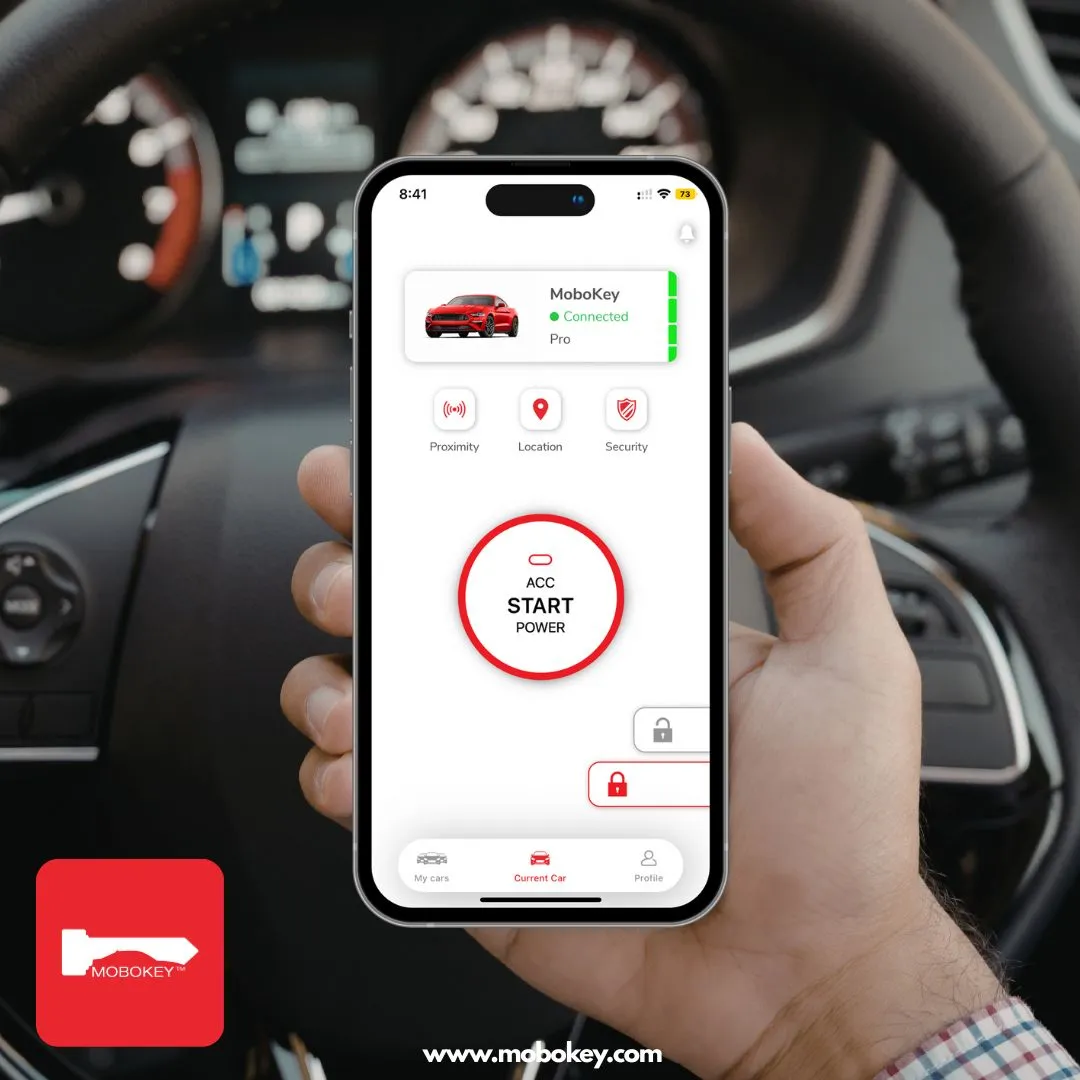
In 2026, the transition from physical keys to digital access is no longer a futuristic luxury. It is an operational requirement. For fleet managers, car-sharing hosts, and logistics operators. The choice of a digital key platform determines the security, reliability, and scalability of their entire business. However, not all platforms are built equal. Choosing the wrong technology can lead to “key chaos,”. Where vehicles become inaccessible in dead zones, or worse, vulnerable to sophisticated relay attacks. This guide provides a structured framework to help you evaluate vendors and prepare a robust Request for Proposal (RFP).
1. Connectivity: Bluetooth (BLE) vs. Cellular (4G/5G)
The most critical technical decision you will make is how the “digital handshake” occurs between the user’s phone and the vehicle.
-
Cellular-Based Platforms:
These rely on a cloud-to-car connection. While they allow for remote commands from miles away, they are entirely dependent on signal strength.-
The Risk: If your car is in an underground parking garage or a rural area with poor 4G/5G coverage, the digital key will fail.
-
-
Bluetooth Low Energy (BLE) Platforms:
This is the gold standard for offline reliability. The phone communicates directly with a hardware device in the car.-
The Benefit: Access is near-instant (<1s latency) and works in concrete bunkers, remote deserts, and deep basements.
-
RFP Requirement:
“The platform must support offline access via encrypted BLE to ensure vehicle operability in areas with zero cellular reception.”
2. Vehicle Compatibility and Installation
A digital key platform is only as good as the vehicles it can support. Many OEM-provided solutions only work on specific, brand-new models (2024 and newer).
-
Universal Compatibility:
If you manage a mixed fleet (e.g., a 2018 Toyota and a 2025 Tesla), you need a platform-agnostic solution. Aftermarket hardware, like MoboKey, bridges this gap by providing 90%+ compatibility across turn-key and push-start models. -
Installation Method:
Understand the “hardware footprint.” Is it an OBD-II plug-in (easily removed by thieves) or a hardwired installation (more secure and provides engine-level control)?
RFP Requirement:
“Vendor must provide a compatibility matrix for vehicles manufactured between 2010–2026 and detail the physical security of the hardware installation.”
3. SDK and API Availability for Custom Apps
For businesses looking to build their own branded experience, the “Turnkey vs. Integrated” debate is vital.
-
Turnkey Solutions:
These provide an “out-of-the-box” app. This is perfect for smaller car-sharing hosts who want to start immediately. -
SDK/API Integration:
Larger fleets and car-sharing platforms (like Turo or Anyca) require an SDK (Software Development Kit) to bake digital key functionality into their existing apps.-
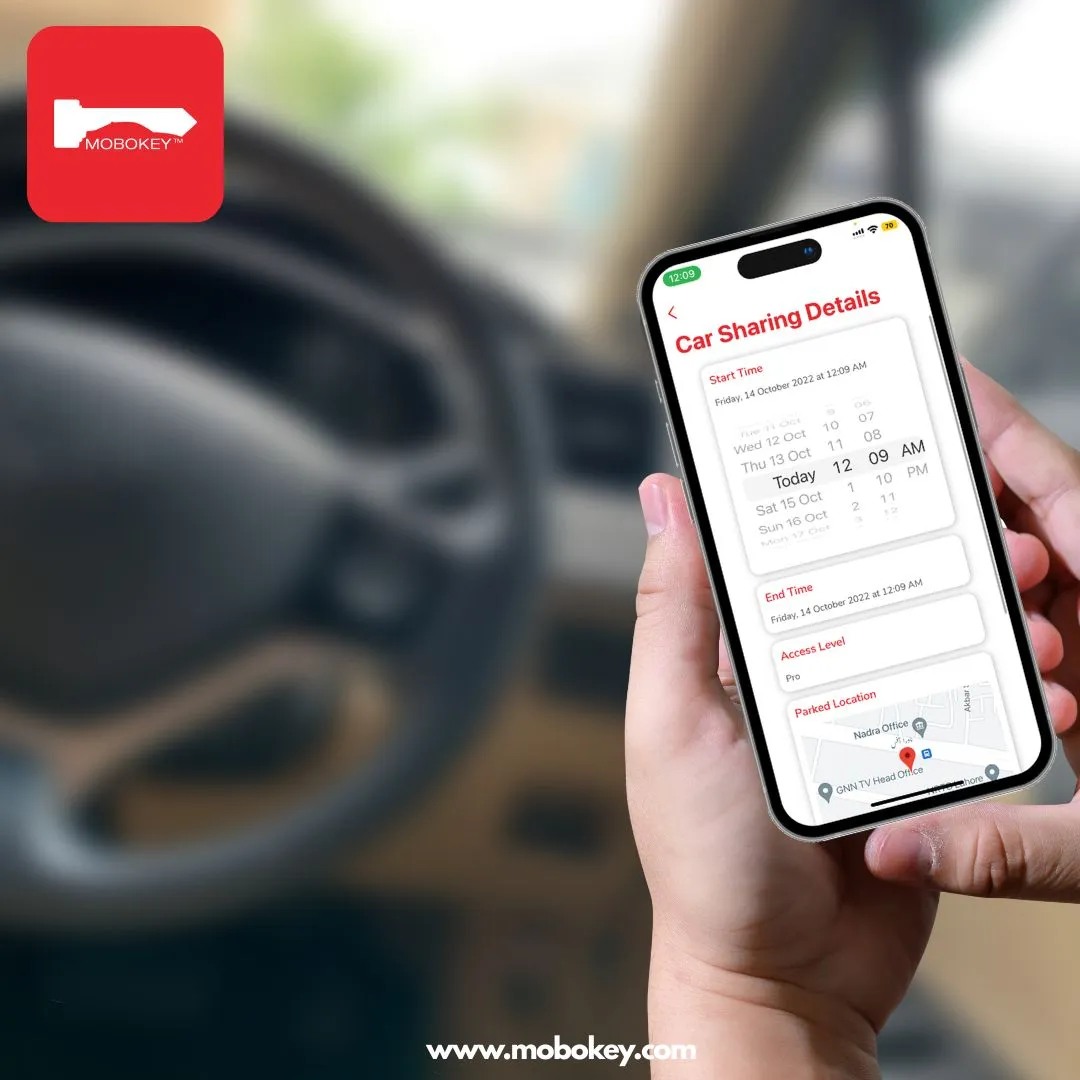
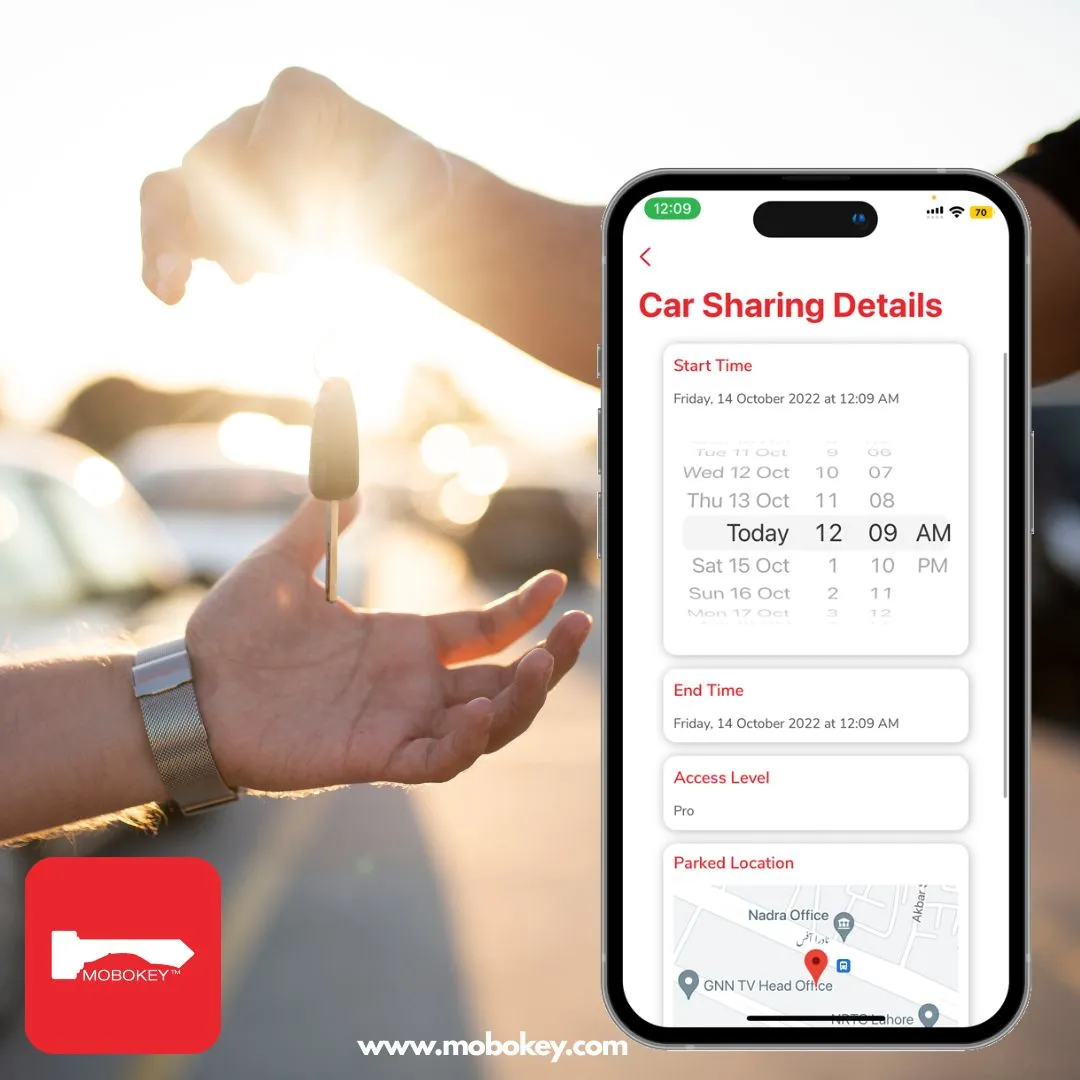
Consideration: Ask if the API allows for “time-bound sharing.” Can you programmatically issue a key that expires at exactly 4:00 PM on a Tuesday?
-
RFP Requirement: “The platform must offer a documented REST API and mobile SDKs (iOS/Android) for seamless integration into 3rd-party fleet management ecosystems.”
4. Security Standards and Encryption
As digital keys become mainstream, so do “relay attacks” where hackers intercept signals to steal cars. In 2026, basic encryption is no longer enough.
-
AES 128-Bit Encryption:
Ensure the platform uses military-grade encryption for all communications. -
The “Digital Kill Switch”:
A superior platform doesn’t just unlock doors; it controls the engine. Look for hardware that can physically immobilize the vehicle if a theft attempt is detected. -
MFA and Biometrics:
The platform should leverage the smartphone’s native security (FaceID/Fingerprint) before the digital key is activated.
RFP Requirement: “Vendor must demonstrate end-to-end AES-256 encryption and provide a ‘Digital Kill Switch’ functionality to prevent unauthorized engine starts.”
5. Support and Warranty
Hardware in vehicles is subject to extreme temperatures, vibrations, and electrical surges.
-
Industrial Grade vs. Consumer Grade:
Ensure the hardware is automotive-grade and can withstand temperatures from -20°C to +75°C. -
Warranty:
A 1-year warranty is standard, but look for partners who offer extended support for enterprise-scale deployments.
Summary: Your Technical Requirement Checklist
When interviewing potential vendors, use this checklist to separate the “marketing fluff” from the “operational reality”:
-
Does it work without internet? (BLE support)
-
Can it start the engine remotely? (Not just unlock doors)
-
Does it support my oldest car? (Backward compatibility)
-
Is there a developer SDK? (Integration potential)
-
What is the anti-theft protocol? (Digital immobilization)
Choosing a digital key platform is a long-term investment. By focusing on offline reliability and universal hardware compatibility, you ensure that your fleet remains smart, secure, and ready for the 2026 mobility landscape.
Internal Links:
Download the application here: Go to Play Store or App Store!