For over a century, the relationship between a driver and their car has been defined by a single object: the key. From the simple metal blades of the 1980s to the complex transponder fobs of today, physical keys have been the standard for security and access.
But as vehicles become more connected, the limitations of physical hardware are becoming expensive bottlenecks.
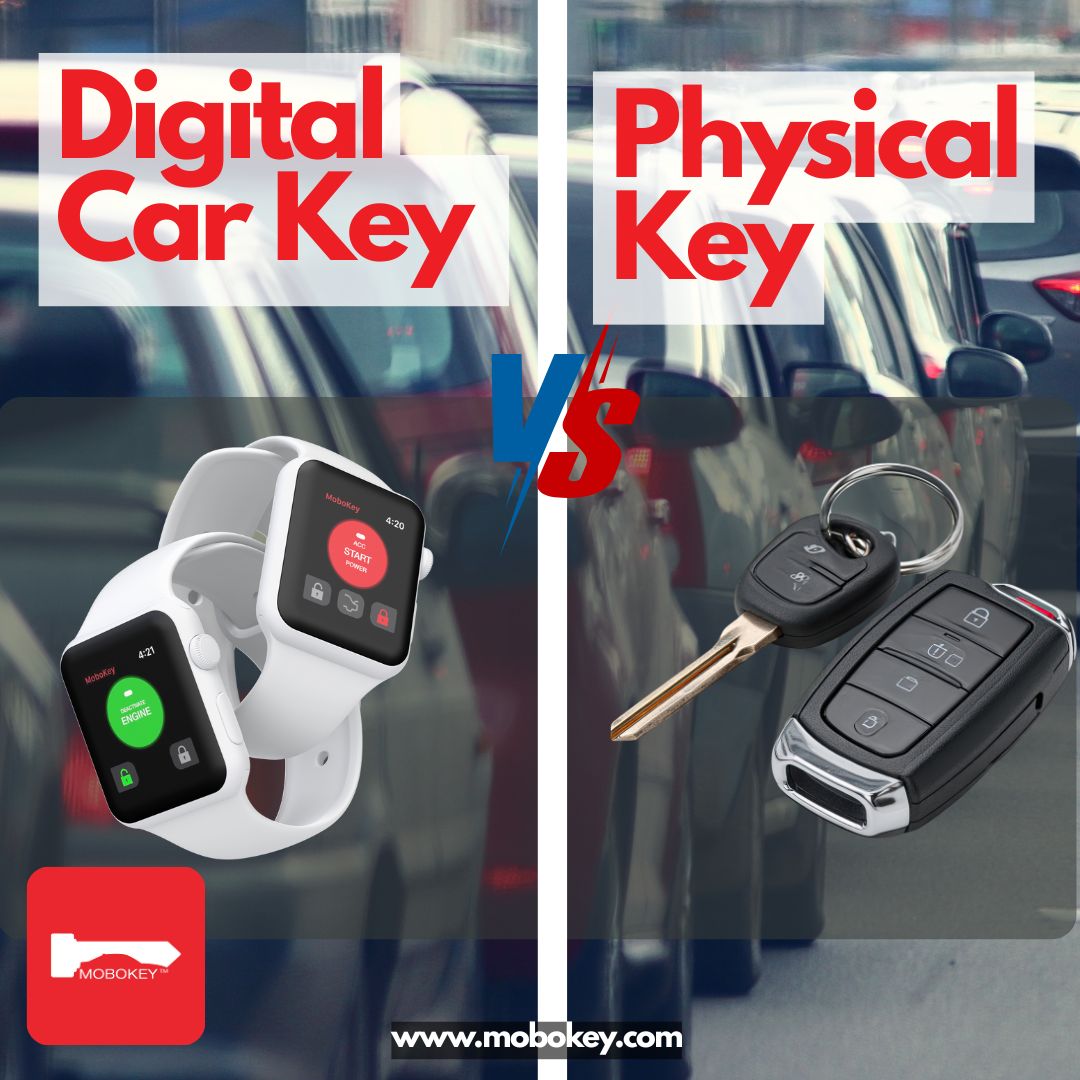
Enter the digital car key—a software-based solution that lives on your smartphone. The debate of digital key vs physical key isn’t just about cool gadgets; it’s a serious calculation of cost, security, and operational efficiency. Whether you are a solo driver tired of bulky pockets or a fleet manager juggling 50 vehicles, the difference between these two technologies is stark.
In this comprehensive comparison, we analyze the real costs, security risks, and scalability of both systems to help you decide which access method is right for you.
The Hidden Costs of Physical Keys
Most people think the cost of a key is negligible, until they lose one.
The modern physical key fob is a sophisticated piece of hardware containing microchips and transmitters. Replacing a single lost fob for a modern vehicle can cost anywhere from $200 to $500, plus the cost of towing the vehicle to a dealership for reprogramming.
For individual drivers, this is a painful one-time expense. For fleet managers, it is a recurring nightmare.
The “Soft Costs” of Physical Management
Beyond the hardware replacement, physical keys incur massive logistical costs:
-
Handover Logistics: If you rent out cars (Turo, Getaround) or manage a fleet, you must physically meet the driver to hand over the key. This costs time and labor.
-
Downtime: If a key is lost or an employee accidentally takes it home, that vehicle sits idle. An idle fleet vehicle is a money pit.
-
Wear and Tear: Physical keys break. Buttons wear out, casings crack, and batteries die.
Digital keys eliminate the physical asset entirely. The “key” is a line of code on a smartphone. If a driver loses their phone, they simply log into the app on a new device, and their key is restored instantly. The cost of replacing a digital key is effectively zero.
Security Analysis: Can Digital Keys Be Hacked?
Security is the number one concern for anyone switching to digital. Is it safe? Can someone hack my phone and steal my car?
To answer this, we must look at the vulnerabilities of both systems.
Physical Key Vulnerabilities
Physical keys are surprisingly insecure.
-
Theft: If someone steals your fob, they have total access to your car. There is no password protection on a physical key.
-
Cloning: Tech-savvy thieves can capture the signal from a standard key fob using a “relay attack” device, allowing them to unlock the car while the keys are still inside your house.
Digital Key Security features
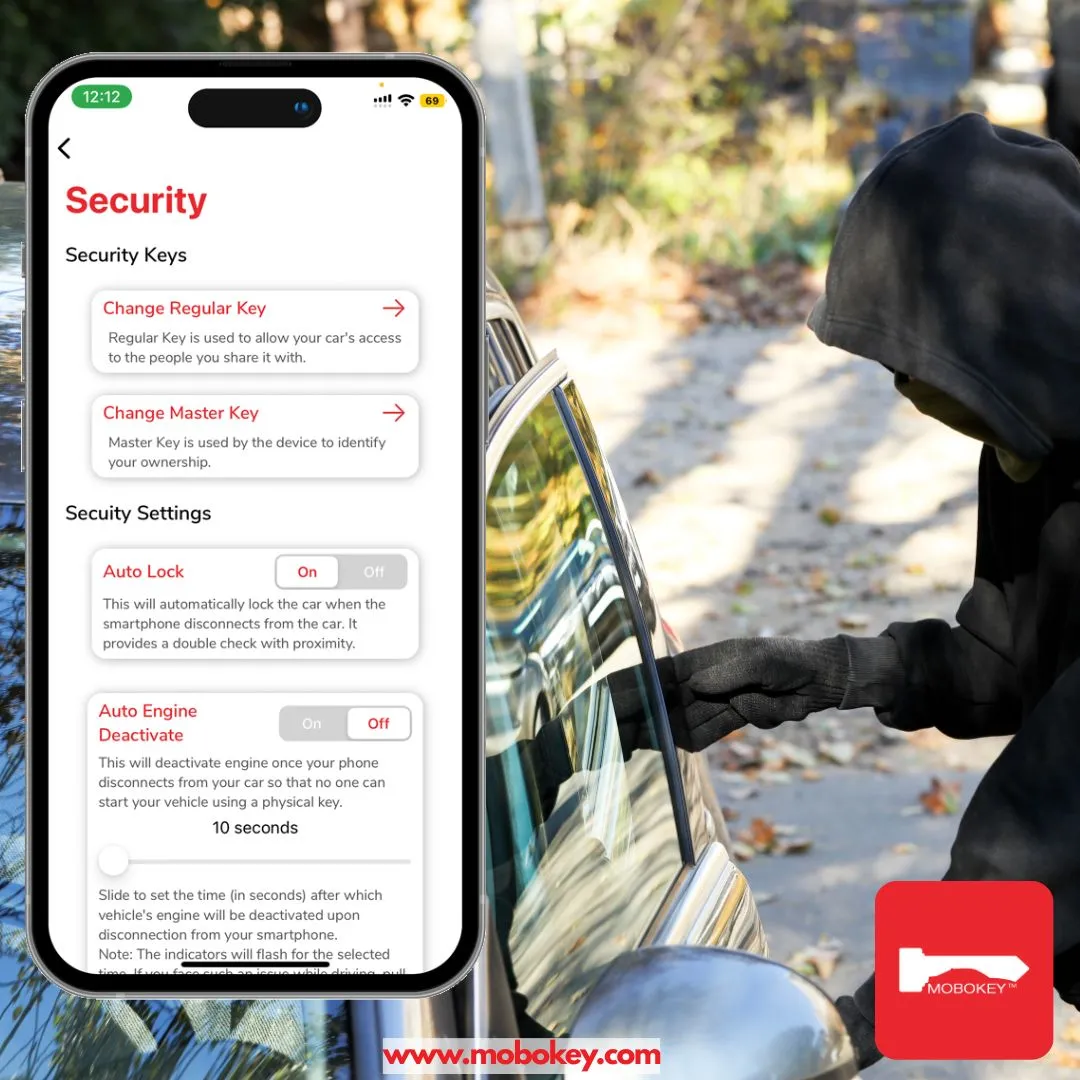
Digital keys, particularly those using Bluetooth Low Energy (BLE) like MoboKey, utilize banking-grade encryption.
-
Authentication: Even if someone steals your phone, they cannot open the car app without your FaceID, fingerprint, or PIN.
-
Remote Immobilization: This is the game-changer. If a vehicle is stolen or unauthorized access is detected, a digital system allows you to remotely kill the engine. The car becomes a 2-ton paperweight.
-
Audit Trails: Digital systems log every interaction. You know exactly who unlocked the car and when. Physical keys leave no digital footprint.
Comparison Table: Digital vs. Physical
| Feature | Physical Key (Fob) | Digital Car Key (App) |
| Replacement Cost | High ($200 – $500+) | Zero (Downloadable) |
| Sharing | Requires physical meetup | Instant remote sharing via App |
| Security | Vulnerable to theft/cloning | Encrypted, Biometric Lock, Immobilization |
| Scalability | Difficult (1 key = 1 car) | Infinite (1 phone = Unlimited cars) |
| Hardware Dependency | Battery in fob can die | Phone battery (dependent) |
| Location Tracking | None (unless AirTag added) | Built-in GPS & Usage Logs |
Scalability: Managing Access for Multiple Drivers
If you own one car, a physical key is manageable. Or if you own ten, it’s a hassle. Or you own a hundred, it’s a full-time job.
This is where the battle of digital key vs physical key is won by software.
The Physical Bottleneck
Imagine a car rental company with 50 cars. That’s at least 100 physical keys (primaries and spares) that need to be tagged, stored in a lockbox, and tracked. If a customer returns a car late, the next customer waits. If a key is misplaced, the car is grounded. Scaling a fleet with physical keys requires scaling your administrative effort linearly.
The Digital Solution
Digital keys allow for instant scalability.
-
Remote Assignment: A fleet manager can sit in an office in New York and grant access to a driver in Los Angeles instantly.
-
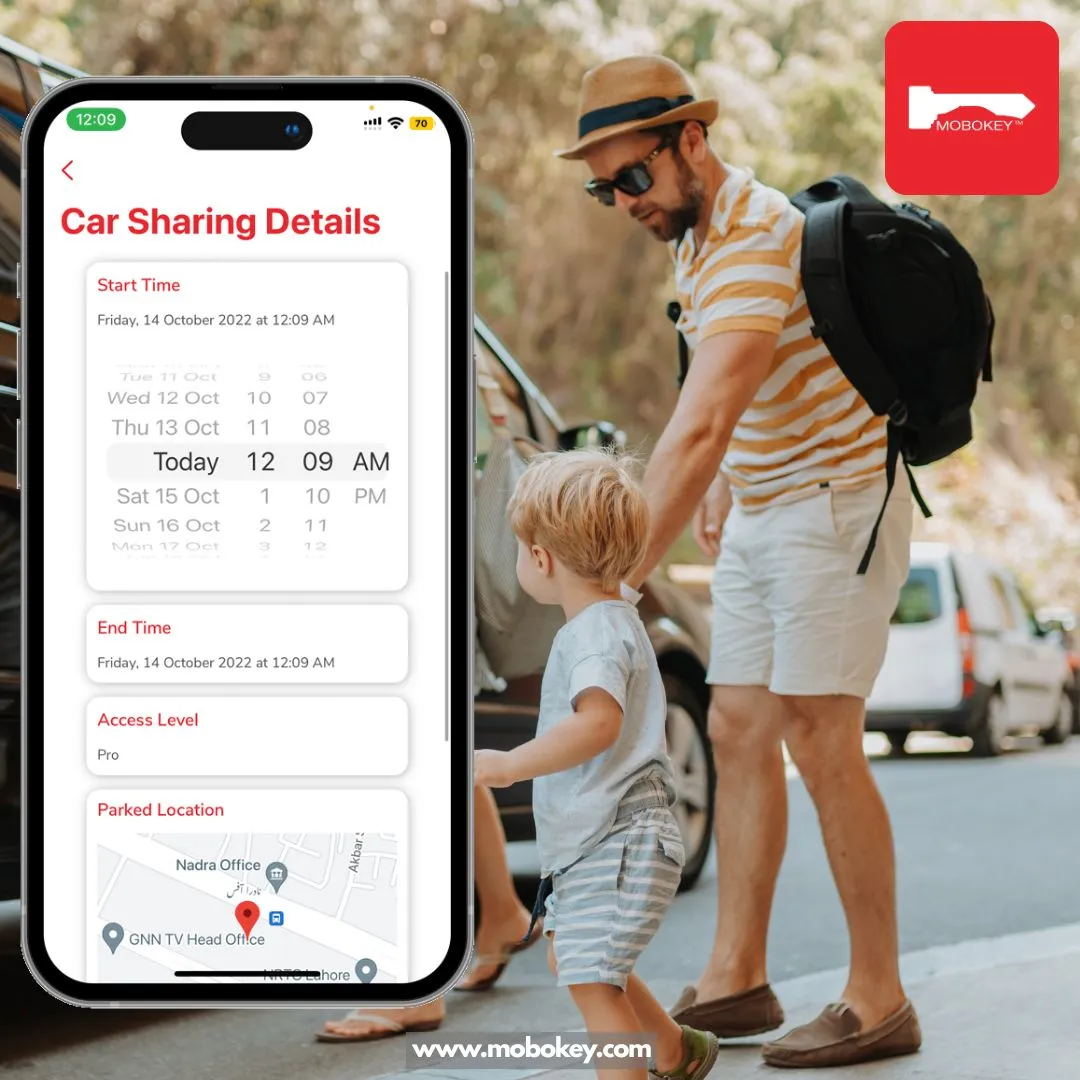
Time-Based Access: You can assign a digital key that works only from 9:00 AM to 5:00 PM. Once the shift ends, the key disappears from the driver’s phone.
-
Multi-Vehicle Access: One driver can have digital keys for 20 different trucks on their phone, without carrying a janitor-style keyring.
For businesses looking to grow, digital keys remove the logistical friction of adding new vehicles and drivers.
Related: Digital Keys for Fleets: The Ultimate Management Tool
Convenience Factor: Why Digital Wins
Beyond the business case, there is the simple factor of daily user experience.
We have all experienced the “pocket pat-down”, checking for phone, wallet, and keys. By merging the key into the phone, you carry one less item.
-
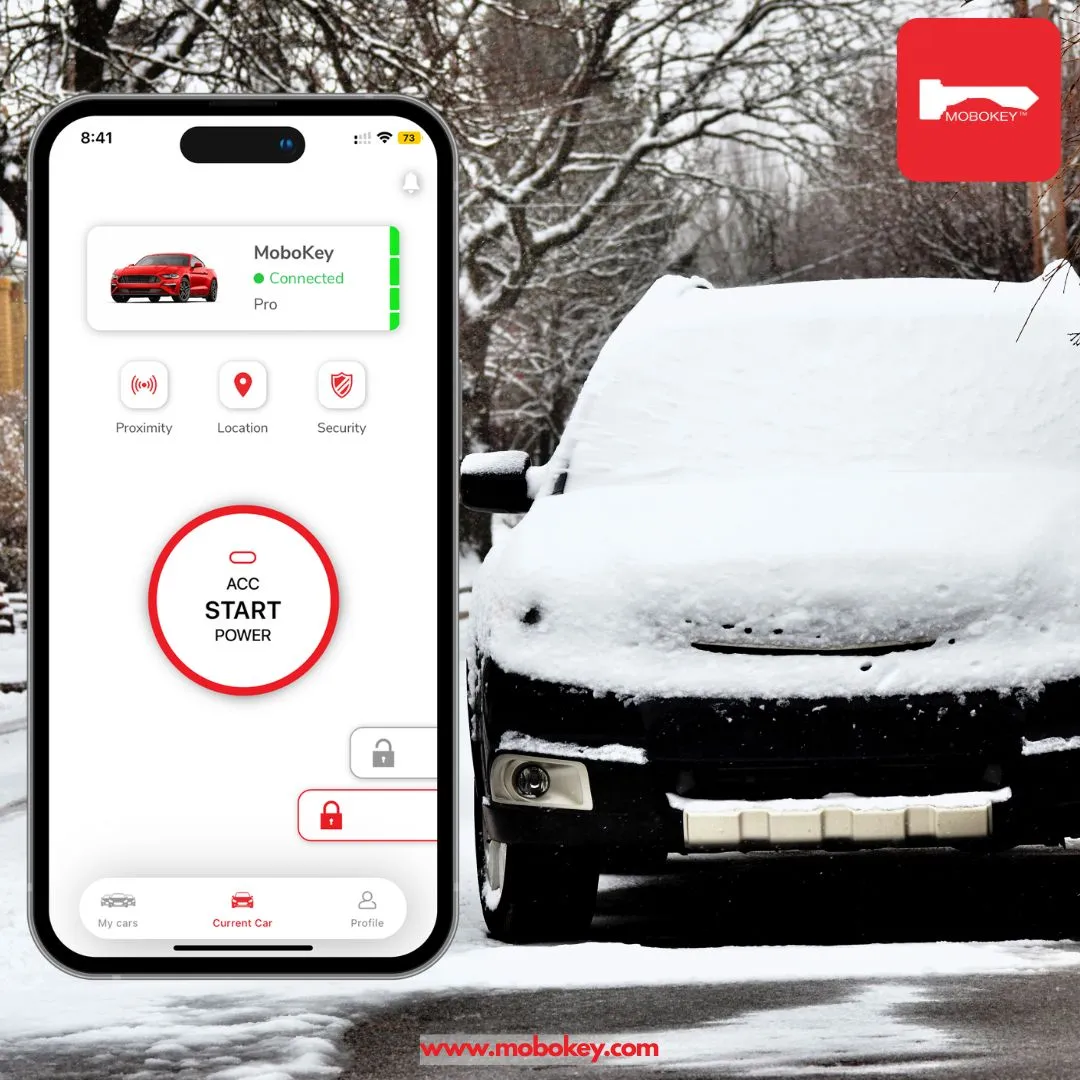
Proximity Entry: With Bluetooth-enabled digital keys, you don’t even need to open the app. The car senses your phone approaching and unlocks automatically.
-
Remote Start: On cold winter mornings, starting the car from your kitchen (via the app) is a luxury that physical keys often struggle with over long distances.
-
Never Locked Out: As long as you have your phone (or a backup login on a friend’s phone), you can never lock your keys inside the car.
Verdict: Which is Right for You?
So, who wins the battle?
Stick with Physical Keys if:
-
Own a single, older vehicle and rarely share it with anyone.
-
Are uncomfortable with smartphone technology.
-
Prefer the tactile feel of a traditional key.
Switch to Digital Keys if:
-
Manage a fleet: The ROI on eliminating lost keys and streamlining handover is immediate.
-
Share your car: Whether with family or via car-sharing apps, remote access is a necessity.
-
Value security: The ability to track access and immobilize a stolen car offers peace of mind that a plastic fob cannot.
The automotive industry is moving relentlessly toward software. Physical keys had a good run, but in terms of cost, security, and scalability, the digital key is the clear successor.
Ready to modernize your vehicle access?
Stop worrying about lost fobs and logistical headaches.
Explore MoboKey’s Digital Key Solutions and experience the freedom of keyless driving today.