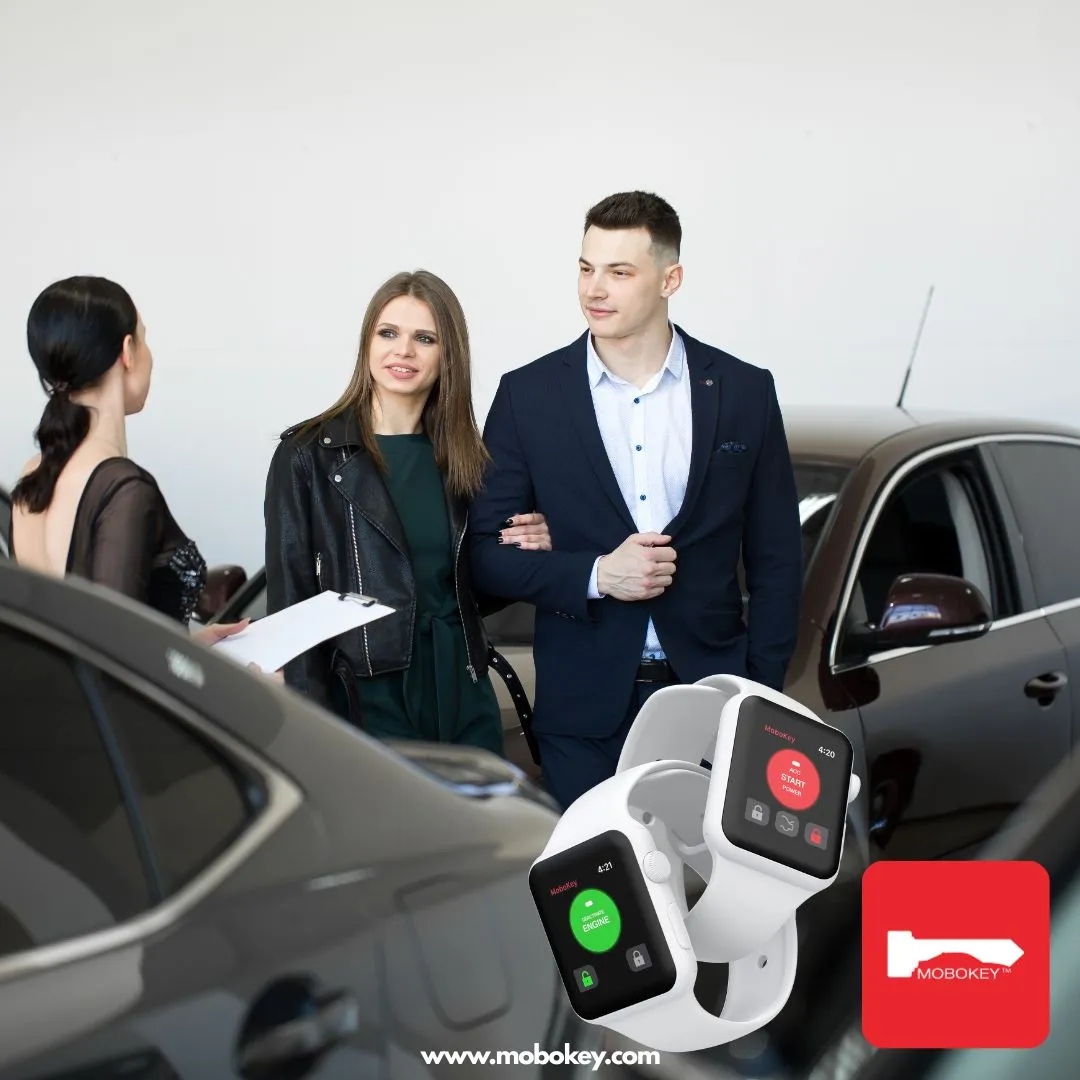
The dream of owning a car-sharing business has never been more attainable. In 2026, the global shift toward “access over ownership” has turned what was once a niche hobby into a multibillion-dollar industry. For startups and young entrepreneurs, the barrier to entry isn’t just about how many cars you have; it’s about how efficiently you can manage them without being physically present. This guide serves as your strategic roadmap to launching a car-sharing business, using digital key technology as the primary enabler for a hands-off, highly profitable model.
1. Market Research and Niche Selection
Before buying a single vehicle, you must define your “Where” and “Who.” The car-sharing market is no longer a monolith.
-
The Commuter Niche:
Reliable sedans placed in residential hubs for daily work travel. -
The Tourist/Weekend Niche:
SUVs or luxury vehicles positioned near hotels or transit hubs for leisure trips. -
The B2B Niche:
Providing a dedicated fleet for local businesses or coworking spaces to manage their employee travel.
Strategic Tip: Use 2026 market data to identify “cold spots” where traditional rental agencies don’t operate. Startups often find the most success in suburban pockets where public transit is lacking, but demand for short-term mobility is high.
2. Acquiring Your Fleet
A common mistake for young companies is overextending on new car debt. In 2026, the smart money is on a hybrid acquisition strategy.
-
Secondary Market Gems:
Look for 2-3 year-old vehicles with high reliability ratings. These have already cleared the initial depreciation cliff. -
The EV Advantage:
If your city has robust charging infrastructure, EVs offer lower maintenance and higher appeal for eco-conscious urbanites. -
Fleet Diversification:
Start with 3–5 vehicles to test your local demand before scaling to a larger fleet.
3. The Tech Stack: Why Digital Keys are Mandatory
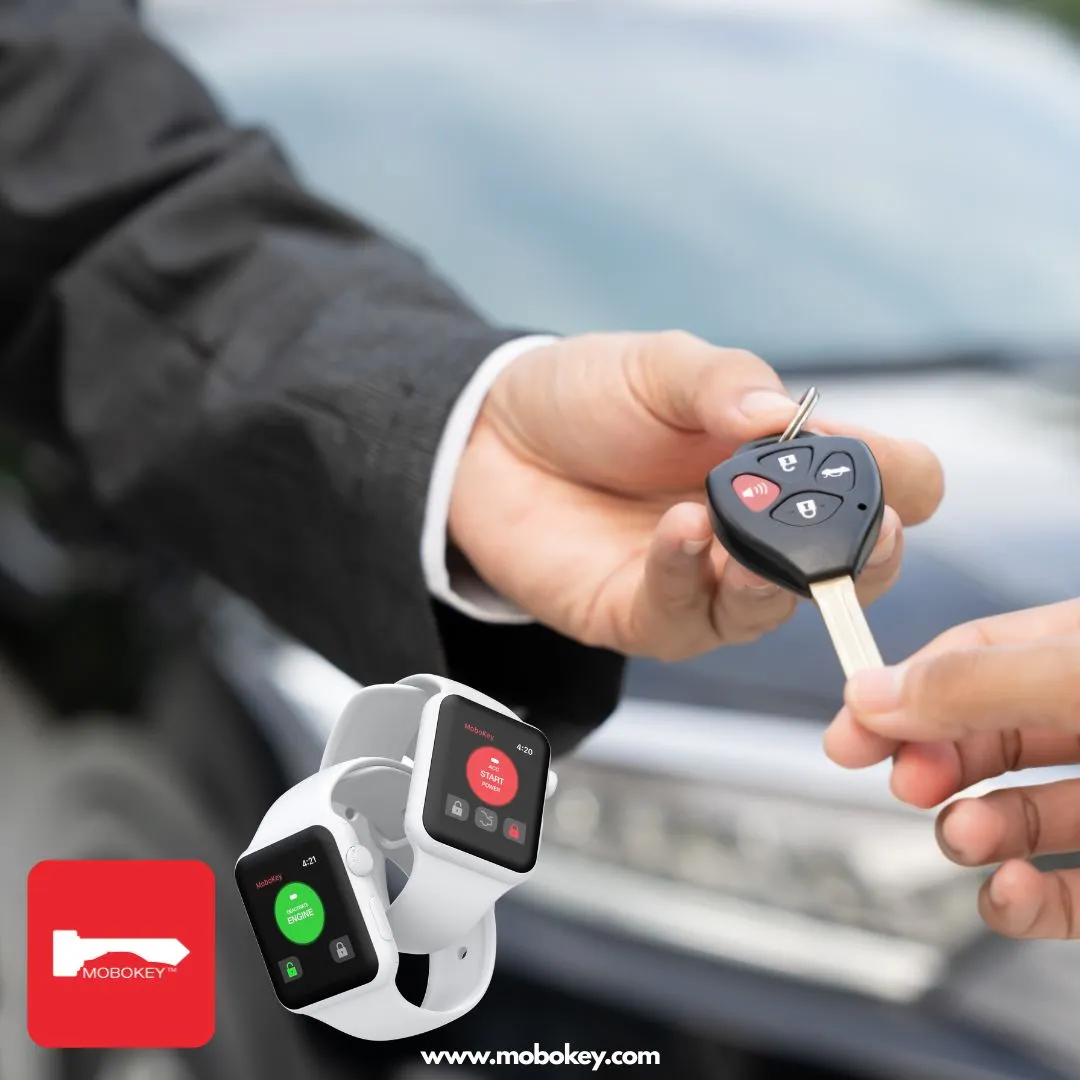
In the old world of car sharing, you had to meet a stranger to hand over a key or hide a lockbox under a wheel well. Both are scaling nightmares. Digital keys are the enabler that makes a modern business model viable.
-
24/7 Unattended Pickups:
Digital keys allow your customers to book, unlock, and start a car at 3:00 AM without you waking up. -
Eliminating the “Key Tax”:
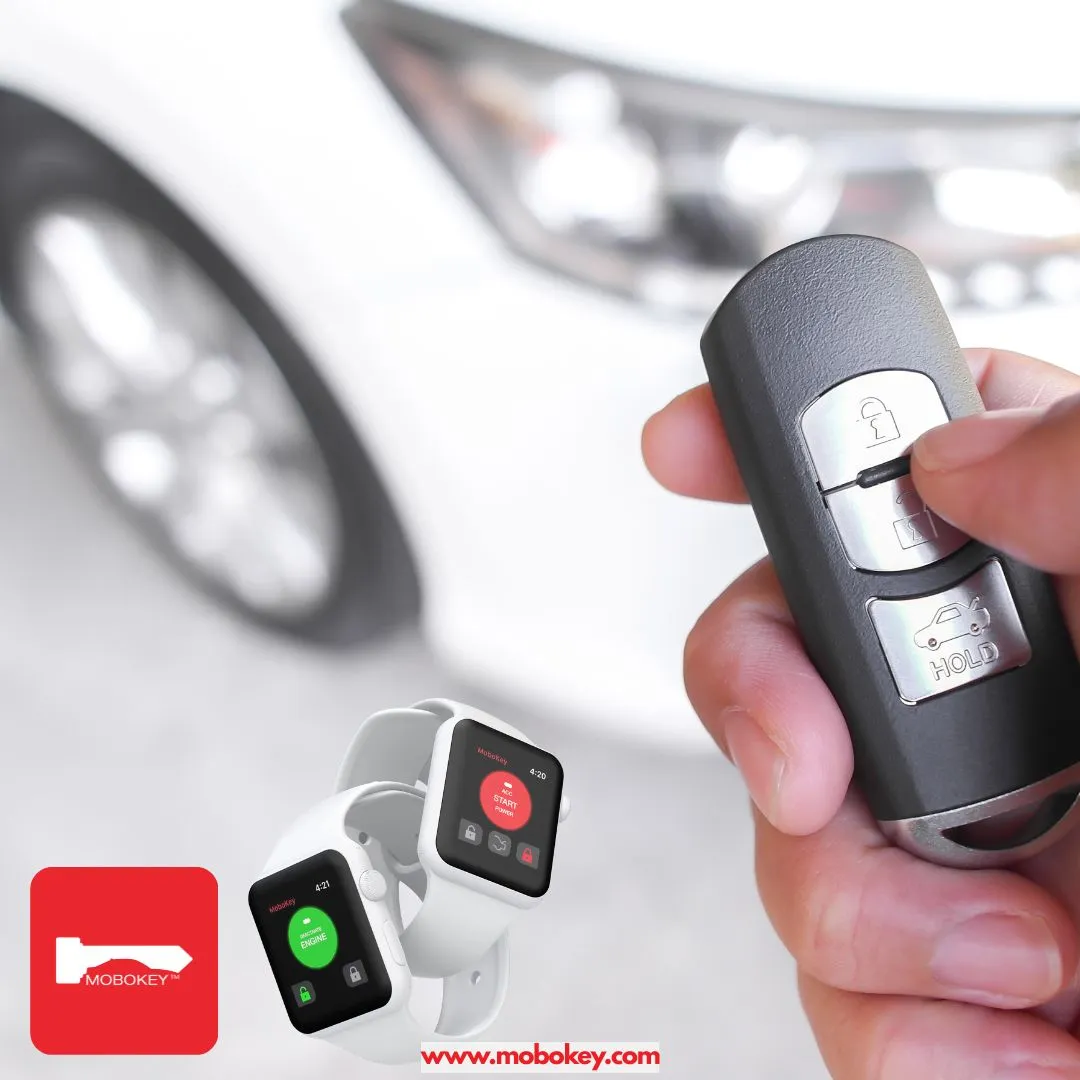
Physical smart fobs cost $200–$600 to replace. Digital keys have zero replacement costs. -
Reduced Friction:
The modern user expects a “one-app” experience. If they have to wait for a physical handover, they will simply use a competitor.
Need the tech stack to launch? Build your brand with a proven platform. Download our White Label solution info.
4. The Kill Switch: Lowering Insurance and Risk
For startups, insurance is often the largest line-item expense. Insurers view car sharing as “high risk” because your assets are in the hands of strangers. This is where the Remote Engine Immobilizer (Kill Switch) becomes a financial game-changer.
-
Verified Anti-Theft:
Many insurers in 2026 offer premium discounts for fleets equipped with verified remote immobilization. -
Proactive Asset Protection:
If a renter stops paying or takes the car outside of authorized zones, you can remotely disable the engine the next time it’s parked. -
Theft Recovery:
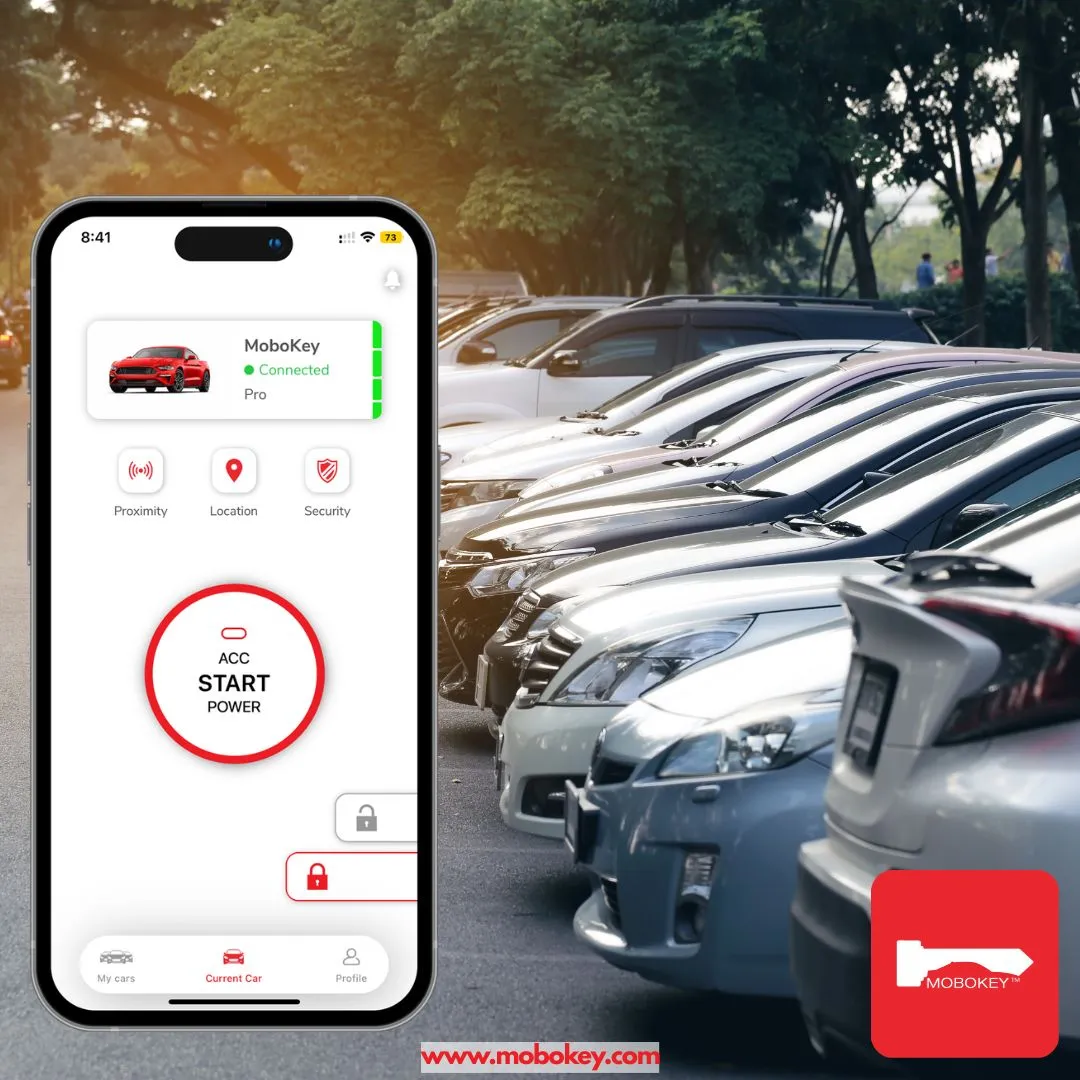
Combined with smartphone-based location data, a kill switch ensures that even if a thief gains entry, the car becomes a “brick” the moment you hit the button in your app.
5. Choosing the Right Car Sharing Software
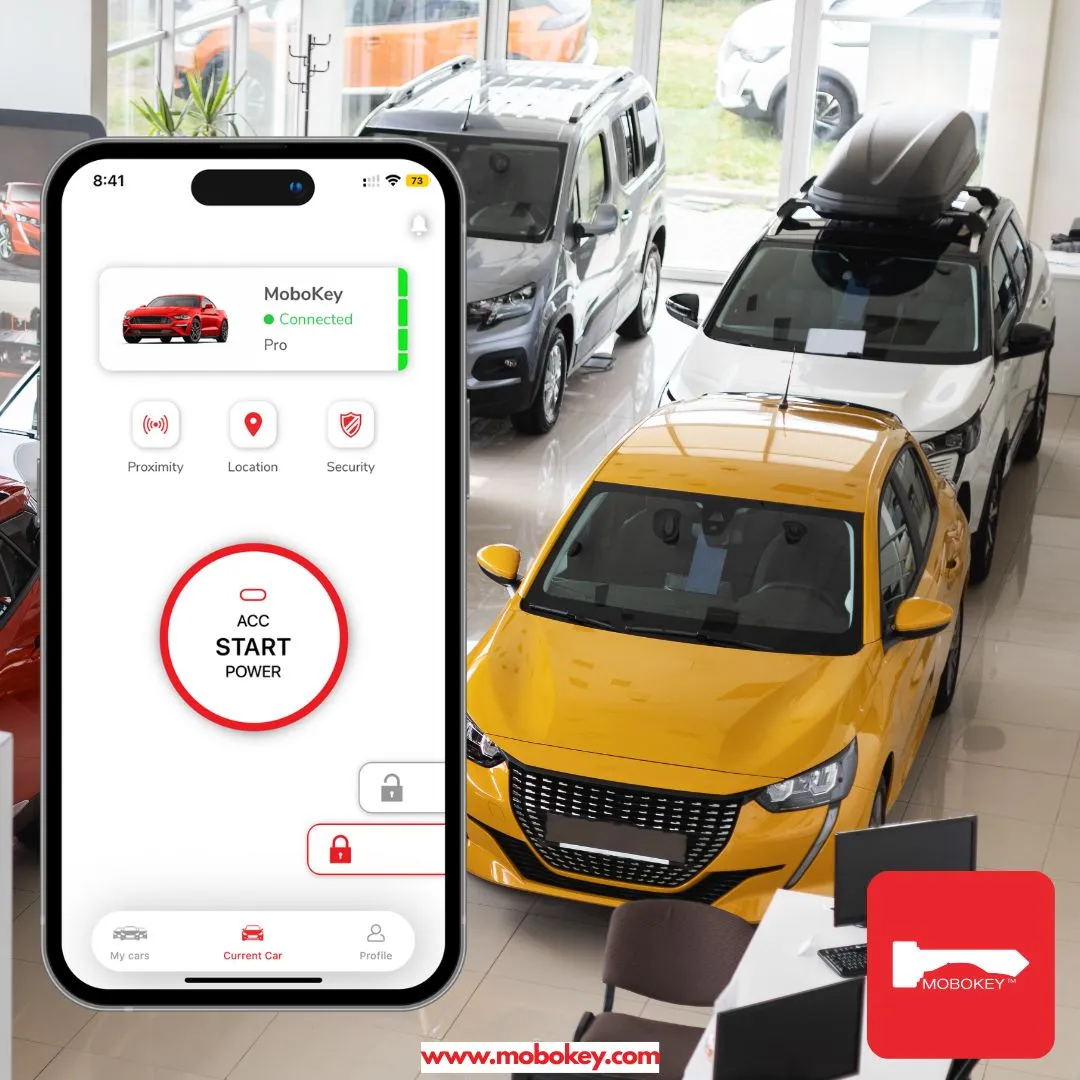
You don’t need to spend $50k on custom app development. Look for a White Label solution that gives you a professional, branded interface for a fraction of the cost.
Essential Features for Startups:
- Dynamic Pricing:
The ability to raise rates during weekends or holidays automatically. -
Offline Access:
Ensure your hardware (like MoboKey) works via Bluetooth so users aren’t stranded in underground parking with no signal.
6. Marketing and Operational Checklist
Once the tech is installed, your focus shifts to Utilization Rate. A car sitting in a driveway is a liability; a car on the road is an asset.
-
Launch Day Checklist:
-
Install digital key hardware and test “Kill Switch” functionality.
-
Set up geo-fences to receive alerts if cars leave your service area.
-
List your fleet on your own branded site and secondary marketplaces for maximum exposure.
-
Partner with a local detailer for “on-demand” cleaning between rentals.
-
Ready to Build Your Fleet?
Launching a car-sharing business is a journey of operational discipline and smart technology choices. By focusing on digital access and remote security from day one, you build a business that scales with your ambition, not your manual labor.
Can You Rent a Car Contactless Without a Physical Key?
Download the MoboKey App from the App Store or Play Store.